
Health
Asbestlint: What You Need to Know About This Hazardous Material

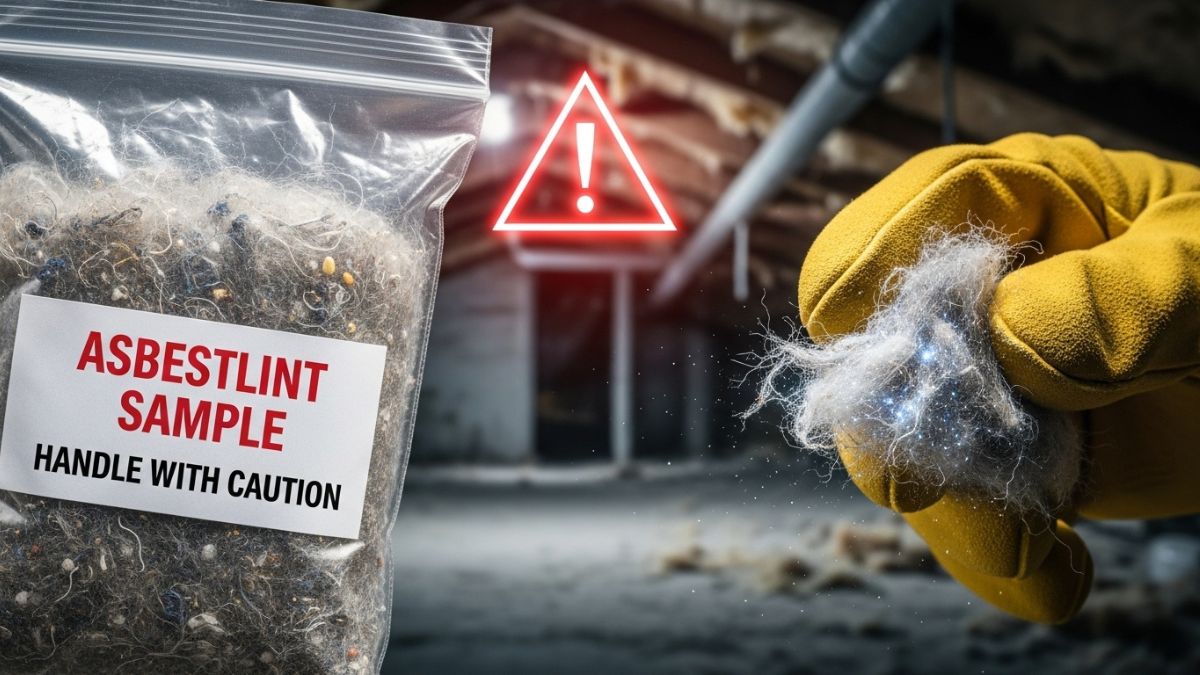
Asbestlint, a term that may sound unfamiliar to many, is more relevant today than ever before. This hazardous material has been lurking in buildings and homes for decades, posing serious health risks to those who encounter it. But what exactly is asbestlint? And why should you care about its presence in your surroundings? In this post, we’ll delve deep into the world of asbestlint—uncovering its history, potential dangers, and how to identify and manage it safely. Whether you’re a homeowner or a workplace manager, understanding asbestlint could be crucial for ensuring safety and well-being in your environment. Let’s uncover the facts together!
What is asbestlint?
Asbestlint is a type of asbestos material primarily used for insulation and fireproofing. It can be found in various applications, including roofing, flooring, and pipe insulation.
This flexible tape-like substance contains chrysotile fibers, which are known for their durability and resistance to heat. However, its properties that once made it appealing now pose significant health risks.
When disturbed or damaged, asbestlint can release harmful fibers into the air. Inhaling these fibers can lead to serious respiratory conditions over time.
Due to its hazardous nature, many countries have implemented strict regulations surrounding the use of asbestlint. Awareness about this material is crucial for safe handling and maintenance in buildings where it may be present.
Health Risks Associated with Asbestlint Exposure
Asbestlint poses significant health risks that have alarmed experts for decades. This hazardous material contains asbestos fibers, which are known to cause serious respiratory issues.
When inhaled, these microscopic fibers can become trapped in lung tissues. Over time, this exposure can lead to conditions such as asbestosis and mesothelioma—a type of cancer linked directly to asbestos.
Symptoms may not appear until years after exposure, making it even more dangerous. Persistent coughs, chest pain, and breathing difficulties often signal underlying problems.
Risk is especially high for those working in construction or older buildings where asbestlint was commonly used. Even minimal contact can result in severe long-term effects on health.
Understanding these risks is essential for anyone living or working near potential asbestlint sources. Awareness empowers individuals to take necessary precautions before it’s too late.
The History of Asbestlint Usage and Regulations
Asbestlint, or asbestos tape, has a controversial past that dates back to the early 20th century. Initially valued for its heat resistance and durability, it found widespread use in construction and automotive industries. Builders relied on asbestlint for insulation and fireproofing.
By the 1970s, mounting evidence linked asbestos exposure to serious health issues. Regulatory bodies began reevaluating its safety. The U.
S. Environmental Protection Agency (EPA) stepped in, issuing strict guidelines on usage.
Countries worldwide followed suit with bans or restrictions on asbestos products. Despite these regulations, many older buildings still contain asbestlint installed before these laws took effect.
The legacy of asbestlint remains significant today. Awareness about its dangers continues to grow among homeowners and workers alike. Understanding this history is crucial when dealing with potential risks associated with this hazardous material.
Identifying and Testing for Asbestlint in Your Home or Workplace
Identifying asbestlint in your home or workplace can be challenging. This hazardous material is often hidden within building materials like insulation, flooring, and roofing.
Start by inspecting areas that are more likely to contain asbestlint. Look at older constructions, particularly those built before the 1980s. If you notice any damaged materials or suspicious-looking fibers, it’s time to take action.
Testing for asbestlint requires professional expertise. DIY testing kits exist but may not provide reliable results. A certified asbestos inspector will use specialized equipment to collect samples safely.
Once samples are taken, they’ll be sent to a lab for analysis. The lab can determine if your material contains harmful asbestos fibers.
Taking these steps seriously ensures a safer environment for everyone involved. Don’t hesitate to seek help from qualified professionals if you suspect the presence of asbestlint in your surroundings.
Removal and Disposal of Asbestlint
The removal of asbestlint requires careful planning and execution. It’s not a DIY project. Professional asbestos abatement teams are trained in safe handling techniques.
Before any removal begins, an inspection is essential. This helps identify locations where asbestlint may be present. Testing samples from your home or workplace can confirm its existence.
Once confirmed, containment measures must be put in place to prevent airborne fibers from spreading. Workers typically use specialized equipment and protective gear during the process.
Disposal is equally critical. Asbestlint should be placed in sealed containers that comply with local regulations. Transporting these materials safely to designated disposal sites minimizes risks for everyone involved.
Always ensure that you hire certified experts who follow legal guidelines for both removal and disposal processes. Taking shortcuts can lead to serious health hazards down the line.
Alternatives to Asbestlint
When considering alternatives to asbestlint, several modern materials offer safety without sacrificing performance. Fiberglass tape is a popular choice, providing excellent insulation properties and durability.
Another option is polyurethane adhesive tape. This type of tape is flexible and resistant to moisture, making it suitable for various applications in construction and repairs.
For those focused on sustainability, natural fiber tapes are emerging as eco-friendly solutions. Made from jute or cotton, these tapes can effectively serve similar purposes while posing no health risks.
Additionally, silicone sealants have become widely used due to their effectiveness in sealing joints without the hazards associated with asbestlint. They offer flexibility and long-lasting protection against environmental factors.
Exploring these options ensures that homes and workplaces remain safe while maintaining functionality. Each alternative presents unique benefits tailored to different needs within construction or renovation projects.
Conclusion
Asbestlint poses significant health risks and has a complicated history. Awareness is vital when it comes to this hazardous material. Knowing what asbestlint is, how to identify and test for it, and the safe removal processes can protect you and your loved ones.
If you suspect that asbestlint might be present in your home or workplace, take action. Seek professional help for testing and removal. Explore safer alternatives to minimize risk moving forward. The more informed you are about asbestlint, the better equipped you’ll be to handle any challenges it presents.
Prioritizing safety not only safeguards your health but also promotes a cleaner environment for everyone involved. Stay vigilant, stay educated, and make choices that enhance well-being.
Inomyalgia might not be a term you’ve come across before, but it affects many people more than you can imagine. This condition causes widespread pain and discomfort that can make daily life feel like an uphill battle. If you’re one of the countless individuals navigating through this challenge, understanding inomyalgia is crucial for finding relief and managing symptoms effectively. In this blog post, we’ll explore what inomyalgia really means, its common symptoms, potential causes, and various treatment options available to help improve your quality of life. Whether you’re seeking information for yourself or someone close to you, let’s dive into the world of inomyalgia together!
What Is Inomyalgia?
Inomyalgia is a chronic condition characterized by widespread musculoskeletal pain. It often involves fatigue, sleep disturbances, and cognitive difficulties known as “fibro fog.” While it may sound similar to fibromyalgia, inomyalgia has its own unique set of symptoms and challenges.
The underlying mechanisms of inomyalgia are not fully understood. Research suggests that it could be linked to abnormal responses within the nervous system or an imbalance in certain neurotransmitters. These factors might contribute to heightened sensitivity to pain and discomfort throughout the body.
Individuals with inomyalgia often experience fluctuations in their symptoms. Some days may feel manageable while others can be overwhelming. This unpredictability can significantly impact daily activities and overall well-being, making awareness about this condition vital for both patients and healthcare providers alike.
Common Symptoms of Inomyalgia
Inomyalgia is characterized by a range of symptoms that can vary widely among individuals. One of the most common signs is widespread pain, often described as a dull ache that persists throughout the body. This discomfort can make daily tasks feel daunting.
Fatigue frequently accompanies this condition, leaving many feeling drained and unmotivated. Sleep disturbances are also prevalent, with individuals experiencing difficulty falling asleep or staying asleep.
Cognitive issues like memory problems or “brain fog” can further complicate life for those affected. Many report struggling to concentrate or recall information quickly.
Additionally, people may experience tender points in specific areas of the body where pressure causes heightened sensitivity. Headaches and mood disorders such as anxiety and depression might occur too, adding layers to an already challenging experience.
Causes of Inomyalgia
Inomyalgia is a complex condition that can arise from various factors. Research suggests that genetic predisposition may play a significant role. If you have family members with similar issues, the likelihood increases.
Environmental triggers are also under scrutiny. Stressful life events or prolonged emotional strain may contribute to the onset of symptoms.
Inflammation in the body might be another culprit, as it can lead to persistent pain and fatigue. In some cases, infections could kickstart this syndrome, leaving lasting effects on muscle health.
Hormonal changes are worth noting too. Fluctuations in hormones can impact how your muscles respond and recover from stressors.
Lifestyle choices like poor diet and lack of exercise can exacerbate inomyalgia symptoms. Each case varies widely; understanding individual causes is crucial for effective management.
Diagnosing Inomyalgia
Diagnosing inomyalgia can be complex. It often begins with a thorough medical history and physical examination by a healthcare provider. They will ask about your symptoms, their duration, and any potential triggers.
There are no specific tests for inomyalgia itself, which complicates the diagnosis. Instead, doctors may conduct various tests to rule out other conditions that could mimic its symptoms. Blood tests or imaging scans might be recommended.
Doctors also consider criteria established by organizations like the American College of Rheumatology when diagnosing this condition. These criteria focus on widespread pain lasting more than three months and tender points throughout the body.
Being open about your experiences is crucial during this process. A detailed discussion helps physicians understand what you’re going through and leads to a more accurate diagnosis tailored to your unique situation.
Treatment Options for Inomyalgia
When it comes to treating inomyalgia, a multifaceted approach often works best. Medications like analgesics and anti-inflammatory drugs can provide relief from pain and discomfort. Doctors may also prescribe muscle relaxants or antidepressants to address related issues.
Physical therapy plays a crucial role in managing symptoms. Tailored exercises can enhance strength and flexibility while reducing stiffness. Additionally, alternative therapies such as acupuncture or massage may offer significant benefits for some individuals.
Lifestyle modifications are essential too. Incorporating regular exercise into your routine helps improve overall well-being. Mindfulness practices like yoga or meditation can reduce stress levels, which may exacerbate symptoms.
Dietary changes shouldn’t be overlooked either. A balanced diet rich in anti-inflammatory foods might aid recovery and promote better health outcomes over time. Each person’s journey with inomyalgia is unique; therefore, finding the right combination of treatments requires patience and persistence.
Lifestyle Changes to Manage Inomyalgia
Managing inomyalgia often requires lifestyle adjustments that can significantly improve quality of life. Incorporating regular, gentle exercise into your routine is essential. Activities like walking, swimming, or yoga can help relieve muscle tension and enhance flexibility.
Nutrition also plays a crucial role. A balanced diet rich in anti-inflammatory foods may reduce symptoms. Consider adding fruits, vegetables, whole grains, and omega-3 fatty acids to your meals.
Prioritizing sleep is vital for recovery. Establishing a consistent sleep schedule and creating a restful environment can lead to better rest.
Stress management techniques such as meditation or deep breathing exercises are beneficial too. They help lower anxiety levels while promoting relaxation.
Stay connected with supportive friends or family members who understand what you’re going through. This emotional support can be invaluable on difficult days when coping feels overwhelming.
Coping with the Challenges of Living with Inomyalgia
Living with inomyalgia can feel isolating. It’s crucial to build a support network. Friends, family, or online communities can provide understanding and encouragement.
Creating a daily routine helps manage symptoms effectively. Incorporate gentle exercises like stretching or yoga. These activities promote flexibility and reduce stiffness.
Mindfulness techniques are beneficial too. Deep breathing or meditation can alleviate stress levels, which often exacerbate pain.
Keeping a symptom diary may offer insights into triggers and patterns. This practice allows for more informed discussions with healthcare providers about effective strategies.
Don’t hesitate to seek professional help when needed. Therapists specializing in chronic pain management can introduce coping mechanisms tailored specifically for you.
Remember to celebrate small victories along the way—every step forward counts in this journey of managing inomyalgia.
Conclusion
Living with inomyalgia can be a significant challenge for many individuals. Understanding the condition is the first step toward finding effective management strategies and improving quality of life. Staying informed about symptoms, causes, and treatment options empowers those affected to take control of their health journey.
Integrating lifestyle changes can further enhance well-being, providing relief while coping with day-to-day challenges. Emotional support from friends, family, or support groups plays an essential role too. As research continues to evolve in this area, it’s important to remain hopeful and proactive when dealing with inomyalgia. Your experience matters, and taking small steps each day can lead to meaningful improvements over time. Remember that you’re not alone on this path—support is available at every turn as you navigate your way through living with inomyalgia.
Many people notice a small bulge in the lower abdominal area that remains even when the rest of their body looks lean. This concern often leads to the question: what are FUPA? FUPA stands for Fat Upper Pubic Area and refers to fat stored just above the pubic bone. It is a common body feature that affects both men and women, regardless of overall weight or fitness level.
FUPA can be frustrating because it tends to be stubborn and resistant to traditional weight-loss methods. While it is completely natural and medically harmless in most cases, it is frequently confused with an apron belly. Understanding the difference is important for choosing the right approach to managing it. This article explains what FUPA is, how it forms, how it differs from an apron belly, and what you can realistically do to reduce it.
FUPA vs. Apron Belly: Knowing the Difference
Before attempting to reduce lower abdominal fat, it’s essential to identify what you’re dealing with.
What Makes FUPA Different
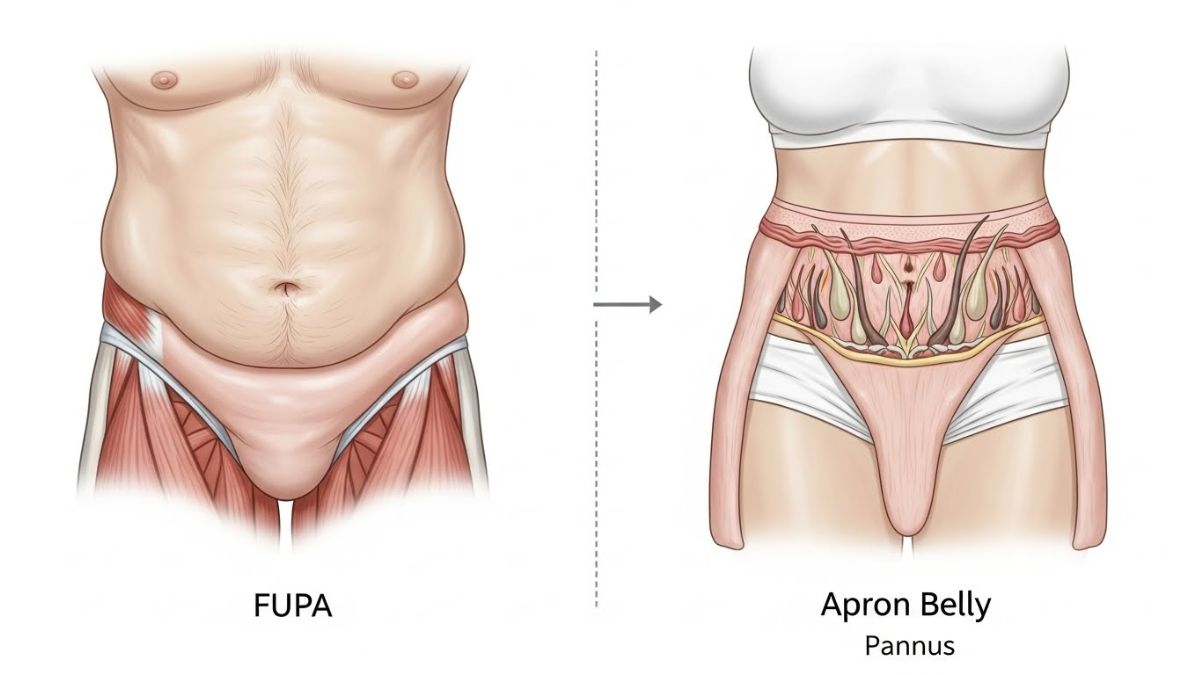
FUPA is a localized fat pocket located directly above the pubic bone. It does not usually hang or fold, and it remains confined to a small area. Many people with flat stomachs still have FUPA due to how their body stores fat.
Key characteristics of FUPA include:
-
A soft bulge above the pubic area
-
Fat that feels dense and localized
-
Little change even after losing weight
-
More visible when wearing fitted clothing
Understanding an Apron Belly
An apron belly, also called a pannus, is larger and more complex. It consists of excess fat and loose skin that hangs over the pubic region and sometimes the thighs. It often develops after pregnancy, major weight loss, or with aging.
Unlike FUPA, an apron belly may cause skin irritation, hygiene concerns, and mobility discomfort. The treatment options for these two conditions are very different, which is why accurate identification matters.
Common Causes of FUPA
Several factors contribute to the development of FUPA, and it is rarely caused by just one issue.
Genetics
Genetics play a major role in fat distribution. Some people are naturally predisposed to storing fat in the lower abdominal and pubic area. Even with a healthy lifestyle, FUPA may still be present.
Hormonal Changes
Hormonal fluctuations can strongly influence fat storage. Women may experience increased FUPA during pregnancy, menopause, or hormonal imbalances. Elevated cortisol levels caused by chronic stress can also encourage fat storage in this area.
Weight Gain
Overall weight gain often leads to increased fat storage in the lower abdomen. Diets high in refined carbohydrates, sugar, and processed foods can make FUPA more noticeable over time.
Pregnancy and Postpartum Changes
Pregnancy stretches the lower abdominal muscles and skin. After childbirth, some women find that fat remains in the pubic area despite exercise and weight loss, making FUPA especially persistent.
Signs and Symptoms of FUPA
Recognizing FUPA is usually straightforward. Common signs include:
-
A rounded bulge just above the pubic bone
-
Fat that does not hang or fold
-
Mild discomfort when sitting or wearing tight clothes
-
A noticeable outline under fitted garments
FUPA does not usually cause pain, but it can affect confidence and comfort.
How to Reduce FUPA Effectively
Reducing FUPA requires patience and a balanced approach. Spot reduction is not possible, but overall fat loss and muscle strengthening can improve its appearance.
Nutrition and Healthy Eating
A clean and balanced diet supports fat loss throughout the body, including the pubic area. Focus on:
-
Lean protein sources
-
Fresh fruits and vegetables
-
Whole grains
-
Healthy fats like olive oil and nuts
-
Reducing sugar, processed foods, and excess salt
Consistency in eating habits plays a crucial role in long-term results.
Exercises That Support Lower Abdominal Toning
While exercises cannot target FUPA directly, they help strengthen the lower abdominal muscles and improve tone.
Effective movements include:
-
Leg raises
-
Planks
-
Pelvic tilts
-
Mountain climbers
-
Brisk walking, cycling, or swimming
Combining strength training with cardio produces better results than either alone.
Non-Surgical Treatment Options
For those who struggle with stubborn FUPA, non-invasive treatments may help:
-
Fat freezing techniques
-
Laser fat reduction
-
Radiofrequency skin tightening
These treatments work best for small, localized fat deposits and should be performed by certified professionals.
Surgical Options
In severe cases, procedures such as liposuction or pubic lift surgery may be considered. Surgery should only be pursued after consultation with a qualified medical specialist and a clear understanding of risks and recovery.
Lifestyle Adjustments That Help
Simple daily habits can support fat reduction:
-
Drinking enough water
-
Getting quality sleep
-
Managing stress levels
-
Staying physically active
Hormonal balance and recovery play a significant role in fat storage.
Body Confidence and Realistic Expectations
It’s important to remember that FUPA is a normal part of many bodies. Having it does not indicate poor health or lack of fitness. Many people choose to manage it for comfort or confidence, while others choose to embrace it.
Wearing well-fitted clothing, focusing on overall wellness, and practicing self-acceptance are just as important as physical changes.
Conclusion: Understanding and Managing FUPA
Now that you understand what are FUPA, you can make informed decisions about managing it. FUPA is different from an apron belly and often results from genetics, hormones, or life changes such as pregnancy. While it can be stubborn, a combination of healthy eating, regular exercise, lifestyle improvements, and medical options can significantly reduce its appearance.
Most importantly, understanding your body and setting realistic expectations will help you approach FUPA in a healthy, confident, and sustainable way.

In a world where wellness trends come and go, one term has been making waves: fxghxt. You may have heard whispers about it in health circles or seen it pop up on social media feeds. But what exactly is fxghxt? Its growing popularity suggests that there’s something special to explore. This comprehensive guide delves deep into the essence of fxghxt, uncovering its history, science, and practical applications for your life. Whether you’re curious about trying it out or simply want to learn more, this journey will equip you with all the knowledge you need to harness its benefits effectively. Let’s dive in!
History and Origin of Fxghxt
Fxghxt has an intriguing history that dates back centuries. Its roots can be traced to ancient cultures that valued natural remedies and holistic practices. These societies experimented with various plants and substances, leading to the discovery of what we now know as fxghxt.
The term itself is believed to have evolved from traditional names used in herbal medicine. As knowledge spread across continents, so did the use of fxghxt, becoming a staple in alternative health circles.
Throughout its evolution, practitioners began documenting their findings. This led to a deeper understanding of how fxghxt interacts with the body on multiple levels.
In modern times, scientific research has given it new credibility. Today, fxghxt stands at the intersection of tradition and innovation, appealing to those seeking both historical wisdom and contemporary benefits.
The Science Behind Fxghxt
Fxghxt is rooted in fascinating biochemical processes. It interacts with receptors in the body, influencing various pathways that contribute to wellness.
Research indicates that fxghxt can enhance metabolic functions. This means it may help regulate energy levels and support weight management.
Additionally, studies suggest a connection between fxghxt and improved cognitive function. Users report enhanced focus and clarity during tasks.
Beyond physical benefits, there are emotional aspects as well. Some findings highlight its potential role in reducing stress responses.
The synergy of these effects shows why fxghxt has captured interest among health enthusiasts. Its multifaceted nature makes it a compelling subject for ongoing research and exploration within the scientific community.
How to Incorporate Fxghxt into Your Daily Routine
Incorporating fxghxt into your daily routine can be both simple and enjoyable. Start by adding it to your morning smoothie. A spoonful can boost flavor while packing a nutritional punch.
Consider using fxghxt in your cooking as well. Stir it into soups or sauces for an extra layer of taste without any fuss. It blends seamlessly with various dishes.
If you prefer a more direct approach, mix fxghxt with water or juice as a quick on-the-go drink. This method ensures you’re getting its benefits without much effort.
For those who enjoy snacking, try sprinkling fxghxt over yogurt or oatmeal. It’s an easy way to enhance the health benefits of your favorite snacks while keeping things interesting.
The key is to find creative ways that suit your lifestyle, making fxghxt a delightful addition rather than a chore.
Success Stories and Testimonials
Many individuals have shared their transformative experiences with fxghxt. These stories highlight its potential to enhance daily living.
Take Sarah, for example. After incorporating fxghxt into her routine, she noticed increased energy levels and improved focus at work. She felt more productive and engaged in her tasks.
Then there’s Mark, who struggled with occasional anxiety. Since he started using fxghxt, he reports feeling calmer and more balanced throughout his day-to-day activities.
Testimonials like these underscore the personal impact of fxghxt on users’ lives. Each story reflects unique journeys toward wellness and fulfillment.
These narratives offer hope and encouragement to those considering this supplement as part of their health regimen. They illustrate that success can look different for everyone but is achievable with commitment to self-care practices involving fxghxt.
Potential Side Effects and Precautions
While fxghxt offers numerous benefits, it’s essential to be aware of potential side effects. Users have reported mild digestive discomfort in some cases. This can include bloating or an upset stomach.
Allergic reactions are rare but possible. It’s wise to conduct a patch test before fully incorporating it into your routine. This is particularly important for those with sensitive skin or existing allergies.
Consulting a healthcare professional is advisable if you are pregnant, nursing, or taking medications. Individual reactions can vary widely based on personal health conditions and lifestyle factors.
Staying informed helps ensure safe usage of fxghxt while maximizing its advantages. Listening to your body will guide you in making the best choices for your well-being.
Conclusion
Fxghxt is gaining recognition for its potential benefits in various aspects of health and wellness. Its history reveals a fascinating journey, intertwining traditional practices with modern science. Understanding the mechanisms behind fxghxt can empower users to harness its full potential.
Incorporating fxghxt into everyday life can be simple and effective, offering easy adjustments to your routine. The success stories from individuals who have embraced this ingredient highlight its positive impact on their lives.
While many celebrate fxghxt’s advantages, it’s crucial to remain aware of possible side effects and take necessary precautions. Being informed ensures you can make the best choices for your well-being.
-

 Blog6 months ago
Iaoegynos2: Decoding the Future of AI and Automation
-

 Celebrities8 months ago
Halle Bailey & Jonah Hauer-King: Inside Their Unbreakable Close Friendship and Platonic Bond
-

 Tech8 months ago
Hochre: The Dynamic Concept Driving Innovation and Creative Excellence
-

 Tech8 months ago
Exploring the World of nidixfun: A Deep Dive into Creative Content
-

 Cultural8 months ago
Ninawelshlass1: The Artistry and Culture Shaping a Unique Perspective
-

 Digital World8 months ago
Exploring voomixi com: Your Ultimate Guide to the Platform
-

 Blog6 months ago
Thejavasea.me Leaks AIO-TLP370: A Complete Guide for Users
-

 Blog8 months ago
Exploring the World of tiimatuvat: A Comprehensive Guide