
History
Sulaskk Uncovered: History, Significance, and Impact

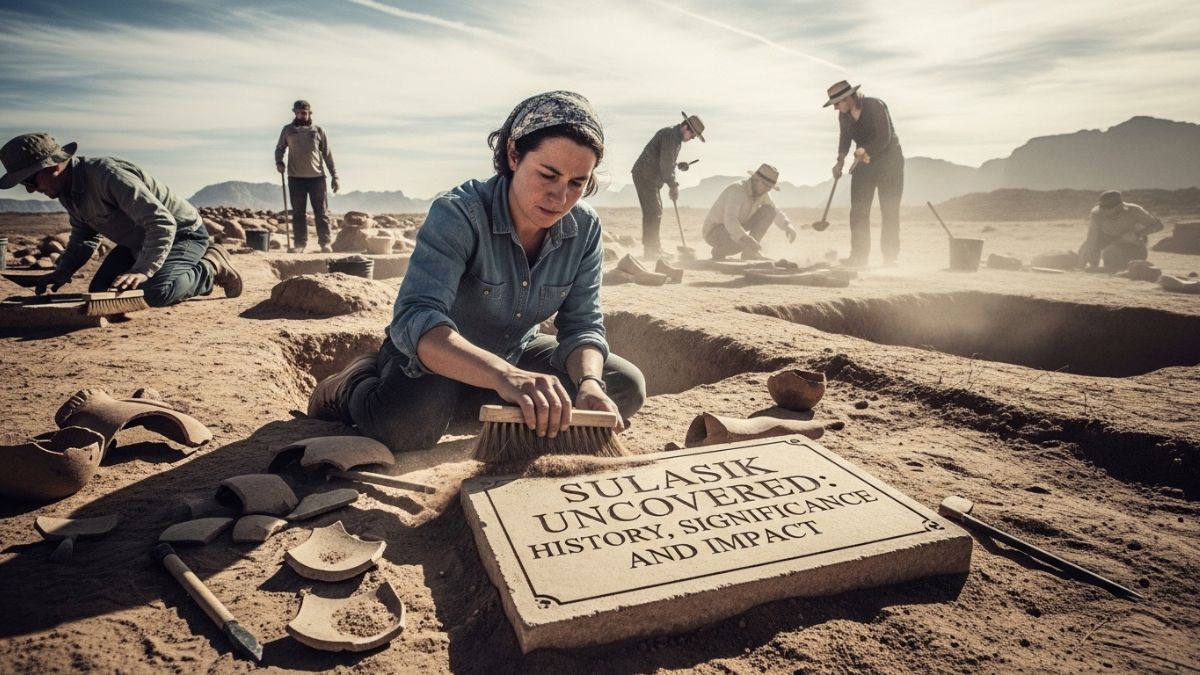
Sulaskk is more than just a term; it encapsulates a rich tapestry of history, culture, and belief that has evolved over centuries. For those unfamiliar with this fascinating practice, you may be wondering what it entails and why it continues to capture the interest of so many today. From its ancient roots to its modern interpretations, Sulaskk weaves together threads of spirituality, community involvement, and personal growth. This exploration will uncover not only the historical significance but also the impact Sulaskk has on contemporary society. Join us as we delve into this intriguing realm where tradition meets modernity in profound ways.
The Origins and History of Sulaskk
Sulaskk has a rich tapestry of origins that many enthusiasts find captivating. Rooted in ancient traditions, it emerged as a spiritual practice intertwined with local folklore.
Historical texts reveal that Sulaskk began as a means of connection between the physical and metaphysical worlds. Early practitioners believed it offered insights into the human experience, guiding individuals through life’s complexities.
As centuries passed, various cultures embraced Sulaskk, adapting its principles to fit their societal norms. This evolution led to distinct regional variations while maintaining core philosophies.
The influence of trade routes also played a role in spreading Sulaskk beyond its original boundaries. Travelers carried tales and practices from one continent to another, fostering a diverse understanding among different communities.
Throughout history, figures have risen within this tradition—scholars who documented its teachings and leaders who championed its significance. These contributions helped shape what we recognize today as Sulaskk’s foundational beliefs.
The Significance of Sulaskk in Modern Times
Sulaskk holds a unique place in contemporary culture. Its practices resonate with many searching for deeper meaning and connection. This ancient tradition offers insights into personal growth and self-discovery.
In today’s fast-paced world, people are increasingly drawn to its teachings. The emphasis on mindfulness and community fosters resilience among practitioners. Rather than simply following rituals, individuals engage with Sulaskk’s principles daily.
Moreover, the global interest in holistic wellness has brought Sulaskk into mainstream conversations. Workshops and seminars pop up, infusing traditional concepts with modern relevance. As societies grapple with mental health challenges, Sulaskk emerges as a beacon of hope.
Social media platforms amplify these messages further, allowing for widespread sharing of experiences and knowledge. Connecting diverse practitioners creates an enriching dialogue that transcends cultural boundaries.
Impact on Culture and Society
Sulaskk has woven itself into the cultural fabric of various communities. Its teachings resonate deeply, offering a sense of identity and belonging.
Artistic expressions inspired by Sulaskk can be seen in paintings, music, and literature. These creative outlets often reflect the principles and philosophies of this practice.
In many societies, rituals associated with Sulaskk encourage communal gatherings. They foster connections among participants, creating shared experiences that strengthen social bonds.
Moreover, its influence extends to modern wellness practices. Many individuals seek out Sulaskk for personal growth and self-discovery.
Through workshops and seminars, practitioners share knowledge that empowers others to explore their spirituality. This ripple effect contributes significantly to community resilience.
As conversations around mental health evolve, Sulaskk offers alternative perspectives on well-being. Its holistic approach continues to challenge conventional views on life’s purpose and fulfillment.
Sulaskk Today: Practitioners, Events, and Organizations
Today, Sulaskk thrives through a diverse community of practitioners. These individuals come from various backgrounds, each bringing their unique perspectives and experiences to the practice. They gather regularly, sharing insights and exploring new methodologies within this rich tradition.
Events dedicated to Sulaskk are on the rise. Workshops, seminars, and festivals provide platforms for learning and celebration. Participants engage in discussions that deepen understanding while fostering connections among enthusiasts.
Numerous organizations support the growth of Sulaskk globally. They work tirelessly to promote awareness and offer resources for both newcomers and seasoned practitioners alike. Through online forums and local meet-ups, they ensure that knowledge continues to flourish.
This vibrant network not only preserves ancient practices but also adapts them for contemporary life. Such evolution allows Sulaskk to remain relevant in an ever-changing world while staying true to its roots.
Criticisms and Controversies Surrounding Sulaskk
Criticisms surrounding sulaskk often arise from its perceived unconventional practices. Skeptics argue that some rituals lack empirical support, questioning their effectiveness and safety.
Additionally, accusations of elitism have surfaced. Critics highlight how certain groups claim exclusive knowledge or access to deeper teachings. This can alienate newcomers who seek genuine engagement.
Another area of concern is the potential for cultural appropriation. Some believe that elements of sulaskk draw upon traditions without proper acknowledgment, leading to tensions within communities.
Misinterpretations also contribute to controversy. Misinformation about core tenets creates misunderstandings among both practitioners and outsiders alike.
These debates reflect broader societal discussions on spirituality’s role in modern life. As more people explore these paths, questions about authenticity and integrity continue to emerge.
Conclusion
Sulaskk has emerged as a fascinating subject of study and practice. Its origins reveal a rich tapestry woven with historical significance that speaks to the resilience and creativity of its early practitioners. Today, it stands not only as a cultural phenomenon but also as an influential force in shaping modern perspectives on spirituality and community.
As we delve deeper into Sulaskk’s impact on culture and society, it’s evident that this practice transcends mere tradition. It fosters connections among individuals, encouraging dialogues about identity, purpose, and belonging. The vibrant events associated with Sulaskk showcase its adaptability while drawing enthusiasts from diverse backgrounds together.
Nonetheless, the journey of Sulaskk is not without challenges. Criticisms arise from various quarters, questioning its authenticity or relevance in contemporary times. These debates keep the conversation alive about what traditions mean today.
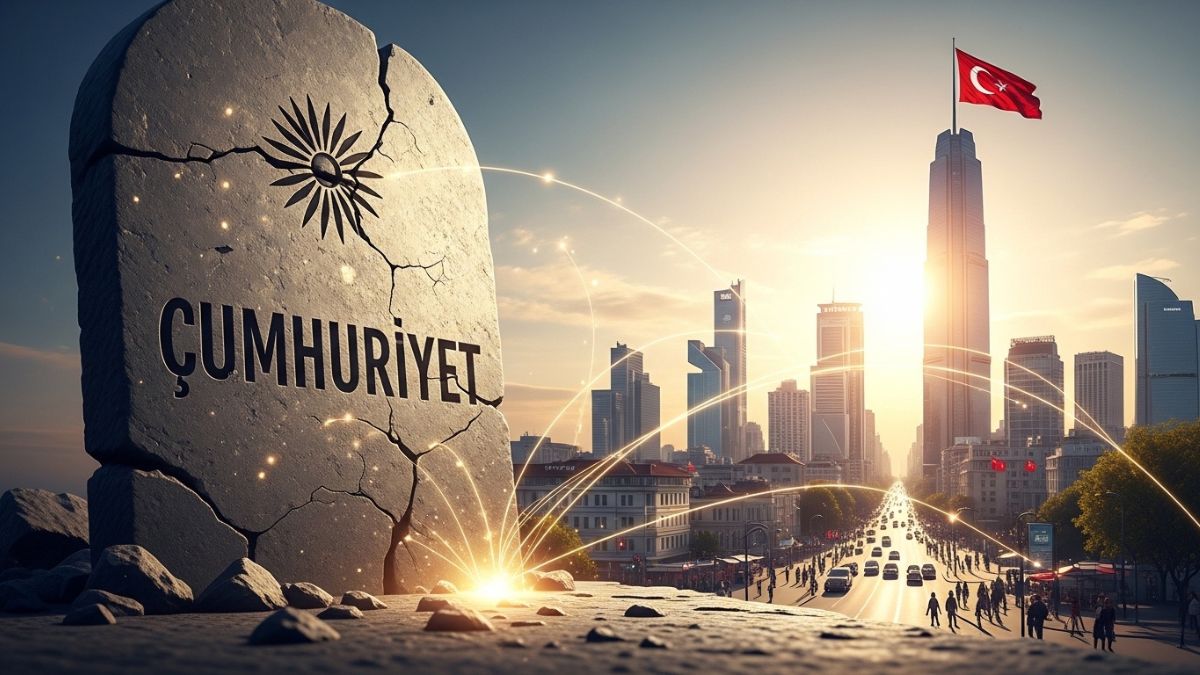
Cumhuritey, a term that resonates deeply within the heart of modern Turkey, represents more than just a political system. It embodies the spirit of transformation and resilience following centuries of imperial rule. As we delve into this pivotal concept, we will explore how Cumhuritey has shaped Turkish identity, governance, and culture since its inception.
The journey to this republic is not merely a tale of dates and events; it’s a narrative woven with aspirations for freedom, equality, and progress. Understanding Cumhuritey means unraveling the threads of history that bind past struggles to contemporary achievements. Buckle up as we venture through time to uncover what makes Cumhuritey essential in understanding today’s Turkey!
Historical Background: The Fall of the Ottoman Empire
The fall of the Ottoman Empire marked a significant turning point in world history. For centuries, it stood as a formidable power that spanned three continents.
By the late 19th century, however, internal strife and external pressures began to take their toll. Nationalist movements emerged within various provinces, weakening central control. The empire faced military defeats during World War I, further diminishing its influence.
The aftermath led to widespread disillusionment among citizens. Economic turmoil compounded issues of governance and social stability. As territories were lost through treaties, aspirations for independence grew stronger across diverse ethnic groups.
This fragmentation set the stage for profound change. With the collapse came opportunities for visionary leaders who sought to redefine identity and nationhood in this post-Ottoman landscape. Amid chaos and uncertainty lay seeds for a new era that would ultimately give birth to Cumhuritey.
Mustafa Kemal Atatürk and the Establishment of Cumhuritey
Mustafa Kemal Atatürk emerged as a pivotal figure during a time of upheaval. As the Ottoman Empire crumbled, he envisioned a new national identity for Turkey. His leadership became synonymous with transformation.
Atatürk’s vision was bold and far-reaching. He sought to replace the monarchy with a republic, emphasizing sovereignty and democracy. In 1923, Cumhuritey was officially declared, marking a historic shift in governance.
His reforms were revolutionary and multifaceted. Education was prioritized; literacy campaigns spread knowledge across the nation. The legal system underwent sweeping changes to align with modern ideals.
Culturally, Atatürk encouraged secularism while fostering Turkish nationalism. This allowed citizens to embrace their heritage without religious constraints.
Under his guidance, Turkey ventured into modernization at an impressive pace. These foundational years shaped the trajectory of contemporary Turkish society in profound ways.
Key Principles and Reforms of Cumhuritey
Cumhuritey introduced transformative principles that reshaped Turkey’s identity. Central to this was nationalism, fostering a sense of unity among diverse ethnic groups.
Secularism emerged as another cornerstone. By separating state and religion, Cumhuritey aimed to modernize society and promote equal rights for all citizens.
Education reform played a vital role. Literacy campaigns and the establishment of public schools were prioritized to empower individuals with knowledge.
Women’s rights saw significant advancements too. The right to vote and hold office transformed societal norms, encouraging female participation in public life.
Economic policies shifted towards modernization as well. Industrialization efforts sought to reduce reliance on agriculture and stimulate growth through new sectors.
These reforms collectively forged a foundation for contemporary Turkish society, emphasizing progressiveness while respecting cultural heritage.
Impact on Society and Culture
The establishment of Cumhuritey marked a turning point for Turkish society and culture. It instilled a sense of national identity, fostering unity among diverse ethnic groups. This shift encouraged people to embrace their shared heritage while respecting individual differences.
Education became a cornerstone of this transformation. Reforms aimed at modernizing the educational system created opportunities for both boys and girls, breaking long-standing gender barriers. The emphasis on secularism allowed various cultural expressions to flourish without religious constraints.
Art and literature thrived during this period as well. Writers and artists drew inspiration from Western influences, contributing to a rich tapestry that combined tradition with innovation.
Language reform played an essential role in shaping modern Turkish identity, making communication more accessible across different demographics. Such changes laid the groundwork for a vibrant civil society where ideas could be exchanged freely and actively debated.
Challenges and Criticisms
Cumhuritey, while a monumental achievement, has faced its share of challenges and criticisms since its inception. Some argue that the rapid secularization efforts alienated conservative segments of society. This shift was perceived as an attack on traditional values.
Furthermore, the emphasis on nationalism sometimes marginalized ethnic minorities within Turkey. Various groups felt overlooked or oppressed under a singular national identity.
Political dissent has also been stifled at times. Critics claim that the legacy of authoritarianism continues to influence governance, impacting democratic principles.
Economic struggles have added another layer to these challenges. Fluctuating markets and unemployment rates often highlight systemic issues stemming from past reforms.
The tension between modernity and tradition remains unresolved in many areas of life. This ongoing struggle influences social dynamics across generations in Turkey today.
Legacy of Cumhuritey in Modern Turkey
The legacy of Cumhuritey is palpable in every corner of modern Turkey. Established by Mustafa Kemal Atatürk, it laid the groundwork for a secular state that values democracy and equality.
Today, Turkish citizens enjoy rights once unimaginable under the Ottoman Empire. Women hold positions of power and engage actively in society. Education has become widespread, fostering a more informed populace.
Culturally, Cumhuritey promotes a blend of Western influences with traditional Turkish elements. This fusion can be seen in art, music, and literature throughout the nation.
However, remnants of past challenges still linger. Debates over secularism versus religious influence continue to shape political discourse. The vision set forth by Atatürk remains both revered and contested as Turkey navigates its identity on the world stage.
As generations grow up learning about these principles, their interpretations evolve—keeping the spirit of Cumhuritey alive yet dynamic within contemporary discussions.
Conclusion
Cumhuritey represents a significant chapter in Turkey’s history, marking the transition from an empire to a modern nation-state. This transformation was not merely political; it was deeply cultural and social as well. The ideals of Cumhuritey laid the groundwork for contemporary Turkish identity, influencing everything from education to women’s rights.
The vision of Mustafa Kemal Atatürk continues to resonate today. His reforms were designed to create a secular, progressive society rooted in equality and democracy. While challenges remain, the legacy of Cumhuritey is evident in Turkey’s ongoing quest for modernization and its place on the global stage.
As we reflect on this pivotal period, it’s clear that understanding Cumhuritey helps us appreciate both the triumphs and struggles that define modern Turkey’s journey. The principles established during this era continue to shape discussions about governance, culture, and national identity today.
-

 Celebrities3 months ago
Halle Bailey & Jonah Hauer-King: Inside Their Unbreakable Close Friendship and Platonic Bond
-

 Tech3 months ago
Exploring the World of nidixfun: A Deep Dive into Creative Content
-

 Cultural3 months ago
Ninawelshlass1: The Artistry and Culture Shaping a Unique Perspective
-

 Blog1 month ago
Iaoegynos2: Decoding the Future of AI and Automation
-

 Tech3 months ago
Hochre: The Dynamic Concept Driving Innovation and Creative Excellence
-

 Digital World3 months ago
Exploring voomixi com: Your Ultimate Guide to the Platform
-

 Art3 months ago
Behind the Scenes with erny huelke: An Exclusive Interview
-

 Tech Innovation3 months ago
The Future of Networking with glarklyhub: Trends to Watch