
Food
Yalla Choy: Everything You Need to Know About This Unique Dish


Yalla Choy is more than just a dish; it’s an experience that bursts with flavor and culture. Originating from the heart of Southeast Asia, this unique culinary delight has captured the hearts (and appetites) of food enthusiasts everywhere. Whether you’re a seasoned chef or someone looking to explore new tastes, Yalla Choy offers something for everyone. Dive into this vibrant world where fresh ingredients meet traditional cooking techniques. Let’s uncover what makes Yalla Choys a must-try for anyone seeking adventure on their plate!
Origins and History of Yalla Choy
Yalla Choy has roots deeply embedded in Southeast Asian culture, particularly among communities in Malaysia and Indonesia. Traditionally served as a staple food, this dish reflects the diverse culinary practices of the region.
The name “Yalla” is believed to stem from local dialects, while “Choy” translates to “vegetable” or “greens.” This hints at its agricultural origins where fresh produce plays a crucial role.
Historically, Yalla Choy was often prepared during harvest festivals and communal gatherings. It showcased seasonal vegetables available in abundance. These occasions emphasized sharing and togetherness within families and friends.
Over time, Yalla Choys evolved into various forms across different cultures. Each region added its unique twist based on locally sourced ingredients and cooking methods. Thus, it became not just a meal but also a symbol of cultural identity for many communities.
The Ingredients Used in Yalla Choy
Yalla Choy stands out not only for its flavor but also for the vibrant ingredients that bring it to life. The foundation of this dish often includes fresh greens, particularly Chinese mustard greens or bok choy. Their crisp texture adds a delightful crunch.
Garlic is another key ingredient, providing an aromatic base that enhances the overall taste. Often, you’ll find chili peppers making an appearance as well, lending a subtle heat that elevates each bite.
Soy sauce and sesame oil are typically used to add depth and richness. These sauces infuse Yalla Choy with umami notes that are hard to resist.
Protein options like tofu or sliced meat can be added based on personal preferences. This flexibility in ingredients allows for creativity while staying true to traditional flavors. Each component contributes uniquely to this delicious dish’s character, making every serving an experience worth savoring.
Traditional Preparation and Cooking Methods
Traditional preparation of yalla choy is an art that reflects the culture and culinary customs it stems from. The leafy greens are often blanched to enhance their vibrant color while softening their texture.
After blanching, they are typically tossed with garlic oil or sesame oil, which adds depth to the dish’s flavor profile.
Cooking methods can vary widely; some prefer steaming for a pure taste, while others enjoy stir-frying for a crispy finish. In certain regions, yalla choy might be incorporated into soups or served as a side dish alongside rice or noodles.
Seasonings play a crucial role in bringing out its natural flavors. Common additions include soy sauce, chili flakes, and even freshly squeezed citrus juices for an extra zing.
Each method showcases the versatility of yalla choy, making it adaptable to various palates and occasions.
Variations and Adaptations of Yalla Choy
Yalla Choy is a versatile dish that adapts well to different culinary styles. While the traditional version shines with its original ingredients, modern interpretations have emerged.
Some variations include adding proteins like chicken or shrimp, enhancing the dish’s flavor and nutritional profile. Others experiment by incorporating spices unique to their region, creating exciting new taste experiences.
Vegetarian adaptations are also popular. By using tofu or seitan instead of meat, these versions maintain heartiness while appealing to plant-based diets.
Creative cooks often swap out traditional greens for seasonal vegetables available in local markets. This not only freshens up Yalla Choy but also supports sustainable eating practices.
Fusion recipes blend influences from diverse cuisines, offering a delightful twist on this classic dish while keeping its essence intact. Each variation reflects personal preferences and cultural backgrounds, making Yalla Choy an ever-evolving culinary treasure!
Health Benefits of Yalla Choy
Yalla Choy is not just a delicious dish; it also boasts numerous health benefits. This vibrant meal typically features fresh vegetables and herbs, which are packed with essential vitamins and minerals.
The leafy greens commonly found in Yalla Choy are excellent sources of antioxidants. These compounds help combat oxidative stress, supporting overall wellness and reducing inflammation.
Additionally, the variety of ingredients in Yalla Choy can provide dietary fiber. A high-fiber diet promotes digestive health by aiding gut function and keeping you feeling full longer.
Many people appreciate that Yalla Choy offers low-calorie options without sacrificing flavor. It’s a fantastic choice for those looking to maintain or lose weight while enjoying satisfying meals.
Moreover, if prepared with lean proteins like chicken or tofu, this dish becomes even more nutritious. The combination creates a balanced meal rich in nutrients necessary for energy and vitality.
How to Incorporate Yalla Choy into Your Diet
Incorporating yalla choy into your diet is both simple and rewarding. This versatile dish can serve as a vibrant side or even the main attraction on your dinner table.
Start by using yalla choy in stir-fries. Its crunchy texture complements other vegetables perfectly, adding depth to any meal. Toss it with garlic and soy sauce for an easy yet flavorful option.
For a refreshing twist, consider making a salad. Mix blanched yalla choy with fresh herbs, citrus slices, and a light dressing. It’s not just tasty; it’s also visually appealing.
If you’re feeling adventurous, try blending it into smoothies or juices for added nutrition without compromising flavor. You might be surprised at how well it pairs with fruits like pineapple or apple.
Don’t hesitate to experiment! Yalla choy adds health benefits while enhancing dishes you already love—like soups and stews—making them richer in taste and nutrients.
Conclusion
Yalla choy is more than just a dish; it’s an experience steeped in culture and tradition. Its unique blend of flavors and textures makes it a standout choice for anyone looking to explore new culinary horizons. With its fascinating history, diverse ingredients, and various preparation methods, yalla choy invites everyone to get creative in the kitchen.
As you consider incorporating yalla choy into your meals, remember the numerous health benefits this dish offers. It’s not only delicious but also packed with essential nutrients that contribute to overall well-being. Whether enjoyed as a main course or as part of a larger feast, yalla choy can easily fit into any diet.

Toastul is more than just a dish; it’s a culinary journey steeped in history and flavor. This delightful creation has captivated taste buds across the globe, evolving from its humble beginnings to become a beloved staple in many kitchens. Whether you’re familiar with this tasty treat or hearing about it for the first time, there’s so much to discover.
In this blog post, we’ll explore the fascinating origins of toastul and how different cultures have embraced its versatility. We’ll dive into traditional recipes and innovative variations that showcase regional ingredients and cooking styles. Plus, you might be surprised to learn about the health benefits packed into every bite of toastul! Get ready to inspire your next meal as we uncover creative ways to incorporate this delectable dish into your everyday routine. Let’s embark on this flavorful adventure together!
Origins and History of Toastul
Toastul has a rich history that dates back centuries. Its roots can be traced to various cultures, each adding their own flair to this beloved dish.
Early references suggest that toast originated in ancient civilizations like Egypt and Greece. Bread was baked over hot stones or coals, creating a crunchy texture cherished by many.
As time progressed, the concept of toasted bread spread across Europe. Different regions began experimenting with toppings and seasonings, resulting in distinct variations.
In Italy, for instance, bruschetta emerged as an elegant version topped with fresh tomatoes and basil. Meanwhile, Spain contributed its own twist through pan con tomate—bread rubbed with garlic and ripe tomatoes.
Throughout history, toast evolved from simple sustenance into a culinary canvas for creativity. Today’s iterations reflect both tradition and innovation—a testament to how food adapts while preserving its heritage.
Traditional Toastul Recipe and Preparation
To prepare a traditional toastul, start with high-quality bread. Sourdough or whole grain works best for that perfect texture and flavor.
Begin by toasting the bread until golden brown. This enhances its natural nuttiness. While it’s still warm, rub garlic cloves over the surface for a subtle kick.
Next, drizzle olive oil generously on top. A sprinkle of sea salt adds just the right amount of seasoning. For an extra layer of taste, consider fresh herbs like basil or parsley.
Some recipes also call for toppings such as tomatoes or avocados. These add freshness and nutrition while complementing the crispy base beautifully.
Serve your toastul immediately to enjoy its delightful crunch and flavors at their peak!
Unique Variations of Toastul Around the World
Toastul has traveled far beyond its origins, picking up unique twists along the way. In Italy, for instance, you might encounter a delightful version topped with rich burrata and fresh tomatoes. The combination creates an explosion of flavor.
In Japan, toastul takes on a sweet note with toppings like matcha and red bean paste. This fusion highlights the versatility of this dish in various culinary traditions.
Meanwhile, in Mexico, street vendors often serve it as “tostada,” where crispy fried tortillas become the base for beans, avocado, and salsa. Every bite offers a burst of vibrant taste.
Across India, spiced buttered bread emerges as “masala toast,” featuring aromatic herbs and spices that delight the palate. Each region showcases local ingredients that transform simple toast into something extraordinary.
Health Benefits of Toastul
Toastul is not just a delicious treat; it also offers several health benefits. Made from wholesome ingredients, it can be a great source of energy.
Whole grain options provide essential fiber. This helps with digestion and keeps you feeling full longer. A slice of toast topped with nutritious spreads can offer vitamins and minerals that boost your immune system.
Additionally, some variations incorporate seeds or nuts, adding healthy fats and protein to the mix. These components are vital for muscle repair and overall health.
If you’re watching your weight, opting for lighter toppings like avocado or tomatoes can enhance flavor without piling on calories. The versatility of toastul makes it easy to create balanced meals that support well-being.
Incorporating this dish into your diet is an effortless way to enjoy tasty food while reaping nutritional rewards. It encourages exploration in flavors while prioritizing health.
Creative Ways to Incorporate Toastul into Your Meals
Toastul’s versatility makes it a fantastic ingredient in various meals. Consider using it as a base for savory toppings. Spread some avocado, add cherry tomatoes, and sprinkle with feta cheese for a quick yet delicious dish.
For breakfast enthusiasts, toastul pairs beautifully with sweet ingredients too. Try spreading almond butter on top and adding banana slices or drizzling honey for an energizing start to your day.
You can also cut toastul into sticks and use them as dippers for soups or sauces. This adds fun texture while enhancing the flavor experience of your favorite dishes.
Another creative option is layering toasted bread with sautéed vegetables and melted cheese to create an irresistible open-faced sandwich. Your taste buds will thank you!
Don’t forget about dessert; topping toastul with nutella and fresh berries offers a delightful twist that satisfies any sweet tooth craving.
Conclusion
Toastul has evolved into a beloved dish that transcends cultures and culinary boundaries. From its origins to modern variations, it offers something for everyone. Whether you enjoy the traditional recipe or explore unique interpretations from around the globe, there’s no denying toastul’s appeal.
Its health benefits make it an excellent choice for those looking to enhance their diet without compromising on taste. Plus, its versatility allows for endless creativity in meal preparation.
Incorporating toastul into your meals can elevate even the simplest dishes while providing comfort and satisfaction. As you experiment with recipes or savor regional takes on this delightful food, you’re participating in a rich tradition that continues to bring people together around the table.
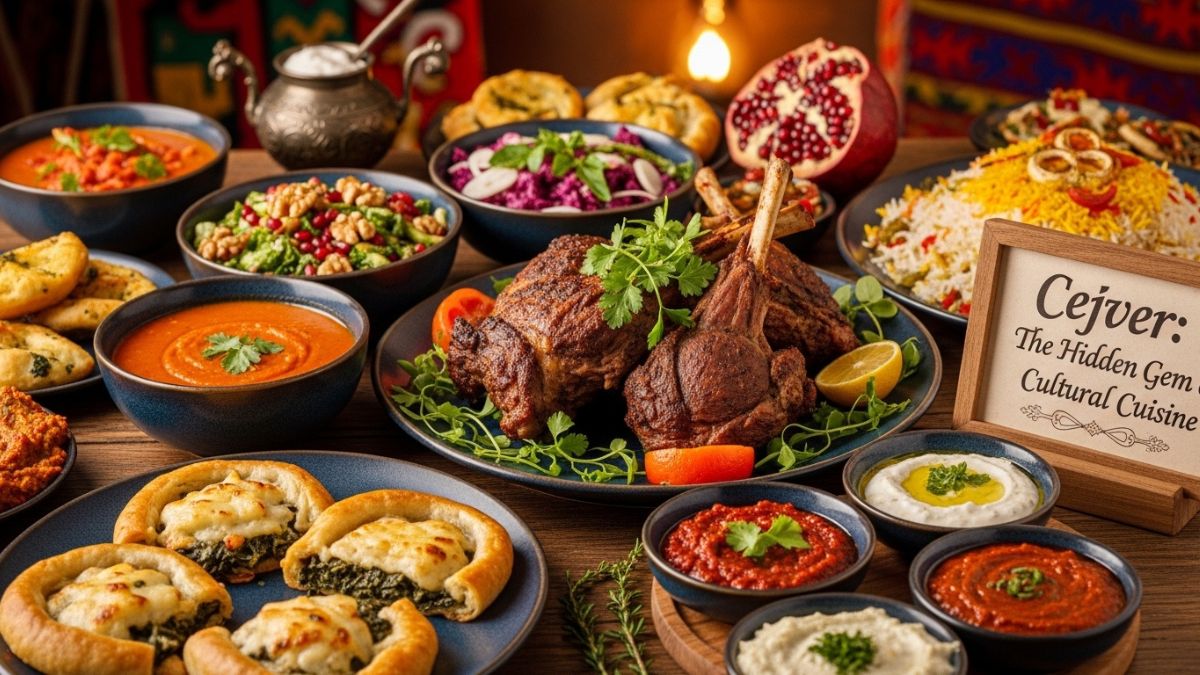
Nestled away from the bustling tourist routes lies a culinary treasure waiting to be discovered: Ceıvır. This hidden gem, with its rich history and vibrant flavors, offers a unique glimpse into the diverse tapestry of cultures that have influenced its cuisine. Imagine savoring dishes steeped in tradition while simultaneously experiencing modern interpretations that excite the palate. Whether you’re an adventurous eater or someone who simply enjoys good food, exploring Ceıvır’s culinary landscape promises an unforgettable journey for your taste buds. So grab your fork and let’s dive into the delicious world of Ceıvır!
The Influence of Diversity on Ceıvır Cuisine
Ceıvır cuisine is a vibrant tapestry woven from various cultural influences. The region’s history of trade and migration has led to a rich amalgamation of flavors, techniques, and ingredients.
Each community that settled in Ceıvır left its mark on the culinary landscape. From aromatic spices to unique cooking methods, diversity fuels creativity in every dish served.
This melting pot effect can be tasted in traditional meals that bring together elements from neighboring regions. You might find Mediterranean herbs mingling with Central Asian grains or Middle Eastern spices enhancing local sauces.
Social gatherings often feature communal meals, showcasing an array of dishes that highlight this beautiful blend. Each bite tells a story of shared heritage and collaboration among different cultures.
Food in Ceıvır is not just sustenance; it’s an expression of unity amidst diversity—a celebration where every flavor plays its part.
Traditional Dishes and Ingredients
Ceıvır boasts a rich tapestry of traditional dishes that reflect its vibrant culture. Each dish tells a story, steeped in history and local ingredients.
One standout is “Köfte,” succulent meatballs infused with spices and herbs. They’re often served with fragrant rice or flatbreads, creating a comforting meal reminiscent of family gatherings.
Another staple is “Dolma,” where grape leaves are stuffed with seasoned rice, vegetables, and sometimes minced meat. This dish encapsulates the essence of hospitality—it’s meant for sharing.
Fresh herbs like dill and parsley play a critical role in Ceıvır cuisine. They add brightness to many plates, balancing flavors beautifully.
Don’t overlook “Börek,” layers of flaky pastry filled with cheese or spinach. This savory delight makes for an excellent snack or appetizer at any gathering.
Each bite brings forth the heart of Ceıvır’s culinary heritage—simple yet deeply flavorful creations that connect generations through taste.
A Modern Twist: Fusion Ceıvır Cuisine
Fusion cuisine is where tradition meets innovation in Ceıvır. Chefs are experimenting, blending classic flavors with modern techniques. The result? Dishes that surprise and delight.
Imagine a local favorite like lamb kebab infused with Asian spices or saffron rice paired with a tangy Mexican salsa. This creative approach brings new life to age-old recipes while respecting their roots.
Street food vendors also embrace this trend. You might find spicy ceıvır wraps filled with unexpected ingredients like avocado or kimchi. These combinations reflect the diverse influences shaping the region’s culinary scene.
Dining in Ceıvır has transformed into an adventure for food lovers seeking something unique. Each bite tells a story of cultural exchange through flavor profiles that tantalize the palate. A visit here promises not only delicious bites but also an exploration of creativity on every plate.
Exploring the Food Culture in Ceıvır’s Local Markets
Wandering through Ceıvır’s local markets is like diving into a vibrant tapestry of flavors and aromas. The air fills with the scent of spices, fresh produce, and sizzling street food. Each stall tells its own story.
Colorful fruits and vegetables showcase the region’s agricultural bounty. You’ll find exotic herbs that add depth to traditional dishes. Vendors eagerly share their knowledge about each ingredient.
Street food stalls beckon with enticing treats that reflect centuries of culinary tradition. Whether it’s grilled meats or savory pastries, every bite resonates with history.
Don’t miss out on engaging with locals who are passionate about their cuisine. Their recommendations can lead you to hidden gems off the beaten path.
The market experience in Ceıvır isn’t just about shopping for ingredients; it’s an immersion into a rich cultural heritage where food connects people from all walks of life.
Must-Try Restaurants and Street Food Vendors
When it comes to experiencing ceıvır cuisine, a visit to local restaurants and street vendors is essential. Each spot offers a unique taste of the region’s rich culinary traditions.
Start your journey at **Büyük Mutfak**, known for its hearty kebabs and flavorful mezes. A meal here feels like dining with family.
Next, wander over to the bustling street stalls around **Kale Market**. Here, you can sample freshly made gözleme stuffed with spinach and cheese—perfect for a quick bite while exploring.
Don’t miss out on **Yemek Durağı**, famed for its vibrant atmosphere and innovative dishes that blend traditional flavors with modern techniques. The seasonal specials are always worth trying.
For dessert lovers, stop by **Tatlıcı Ali** for the best baklava drizzled in honey syrup you’ll ever taste. Each layer of flaky pastry melts in your mouth, leaving you craving more!
Tips for Trying Ceıvır Cuisine at Home
To bring the flavors of Ceıvır into your kitchen, start with essential ingredients. Stock up on spices like sumac and za’atar. These add depth to many dishes.
Next, embrace traditional cooking methods. Slow-cooking meats in a clay pot enhances taste and tenderness. If you don’t have one, a Dutch oven works well too.
Experiment with local vegetables frequently used in Ceıvır cuisine, such as eggplants and tomatoes. Roasting them brings out their natural sweetness.
Don’t forget about bread! Try making flatbreads at home for a true touch of authenticity. They pair wonderfully with dips or stews.
Invite friends over for a shared meal experience. Dining together is central to Ceıvır culture and makes trying new recipes more enjoyable. Enjoy the process; every dish tells a story waiting to be discovered.
Conclusion
Ceıvır offers a rich tapestry of flavors, history, and culture that makes it truly unique. Its culinary landscape is shaped by the diverse influences that have mingled over centuries, resulting in an array of traditional dishes filled with character. As you explore Ceıvır’s local markets, you’ll discover not just food but also stories behind each ingredient.
The fusion cuisine emerging from Ceıvır reflects a modern take on its age-old recipes while still honoring tradition. The must-try restaurants and street vendors showcase this blend beautifully, inviting both locals and visitors to indulge in delightful tastes.
If you’re eager to bring some of this extraordinary cuisine into your own kitchen, experimenting with traditional ingredients can be infinitely rewarding. Embrace the spirit of Ceıvır as you create dishes inspired by its vibrant food culture.
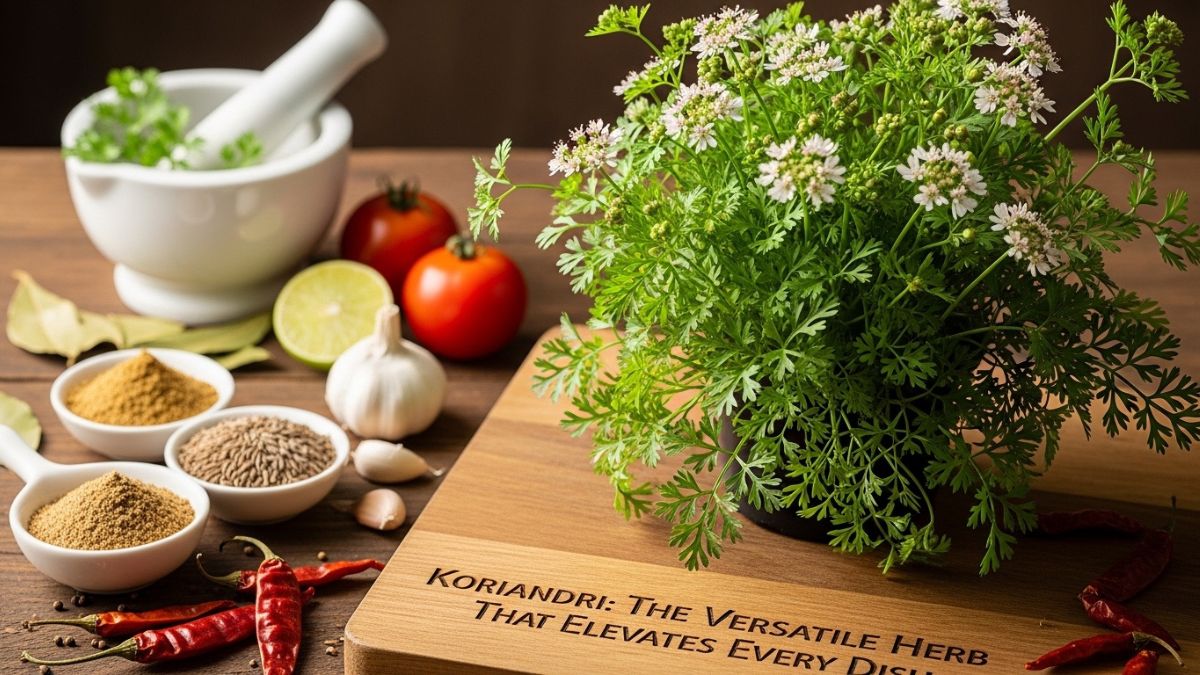
Koriandri, commonly known as coriander or cilantro, is a herb that has captured the hearts and taste buds of food lovers worldwide. Its fresh, zesty flavor can elevate even the simplest dishes. Whether you’re sprinkling it over tacos or blending it into a vibrant curry, koriandri adds an aromatic touch that brings any meal to life.
But this versatile herb isn’t just about its culinary charm; it’s also packed with health benefits and rich cultural significance. From traditional recipes to modern kitchen experiments, koriandri has carved out a place in kitchens around the globe. Let’s dive deeper into what makes this herb such a beloved ingredient and discover how you can incorporate it into your cooking for delightful results!
Culinary Uses of Koriandri
Koriandri, also known as cilantro or coriander, is a culinary gem found in kitchens worldwide. Its fresh, vibrant flavor can transform simple dishes into gourmet experiences.
In salads, koriandri adds a burst of freshness that brightens up greens and vegetables. Combining it with lime juice creates an invigorating dressing that’s hard to resist.
Soups and stews benefit immensely from this herb’s aromatic qualities. A handful stirred in just before serving enhances the dish’s depth.
Don’t overlook its role in salsas or chutneys. Koriandri complements tomatoes and spices beautifully, adding layers of taste to these condiments.
Grains like rice or quinoa come alive with chopped koriandri sprinkled on top. It not only elevates the presentation but enriches each bite with its distinct flavor profile.
From savory to sweet dishes, koriandri seamlessly fits in where you least expect it!
Health Benefits of Koriandri
Koriandri, also known as coriander, is not only a flavorful herb but also a powerhouse of health benefits. Packed with essential vitamins such as C and K, it supports immune function and promotes healthy bones.
This aromatic herb contains antioxidants that help combat oxidative stress. By reducing inflammation in the body, koriandri may play a role in preventing chronic diseases.
Additionally, koriandri has been linked to digestive health. It can soothe an upset stomach and improve digestion by stimulating enzymes that aid food breakdown.
The presence of antimicrobial properties makes this herb beneficial for fighting infections too. Incorporating koriandri into your diet could contribute to better overall well-being while adding vibrant flavors to meals.
Growing and Storing Koriandri at Home
Growing koriandri at home is a delightful journey. Start by selecting a sunny spot in your garden or on a windowsill. This herb thrives with at least six hours of sunlight daily.
Use well-draining soil and consider planting seeds directly outdoors after the last frost or starting them indoors. Koriandri prefers cooler temperatures, so keep an eye on it as summer approaches.
Water regularly but avoid overwatering; moist soil is ideal, not soggy ground. As the plant grows, you can snip off leaves for fresh use while encouraging bushier growth.
When it comes to storage, wash and dry the leaves gently before placing them in an airtight container. You can refrigerate for short-term use or freeze chopped leaves in ice cube trays for longer preservation. Enjoy having this versatile herb right at your fingertips!
Creative Ways to Incorporate Koriandri in Cooking
Koriandri can transform everyday dishes into culinary adventures. Consider adding fresh koriandri to your morning smoothie for an unexpected twist. Its bright flavor pairs well with fruits, making for a refreshing start to the day.
For lunch, toss some chopped koriandri into salads or grain bowls. It enhances flavors and adds a burst of color. Think about mixing it with citrus dressings; the combination is delightful.
Dinner becomes even more exciting when you fold koriandri into sauces or marinades. Try blending it with yogurt and spices for a zesty dip that complements grilled meats beautifully.
A hint of ground coriander seed in cookies or cakes can surprise your taste buds and elevate traditional recipes. The possibilities are endless when you’re willing to experiment with this versatile herb in your kitchen creations.
Recipes Featuring Koriandri as the Star Ingredient
Koriandri shines brightly in a variety of dishes, adding depth and flavor. A refreshing Koriandri chutney is perfect as a dip or spread. Simply blend fresh leaves with green chilies, garlic, and lemon juice for a zesty accompaniment.
For a heartier meal, try Koriandri-infused rice. Sauté chopped onions and garlic in olive oil, then stir in cooked rice along with plenty of chopped koriandri. The herb transforms this simple dish into something extraordinary.
You can also elevate your salads with Koriandri by mixing it into dressings or sprinkling it over the top. It pairs wonderfully with citrus flavors.
If you’re up for something adventurous, explore Koriandri pesto! Blend the herb with nuts, cheese, olive oil, and garlic for an exciting twist on traditional pesto sauce that works beautifully on pasta or sandwiches.
The Cultural Significance of Koriandri
Koriandri, known as cilantro in many parts of the world, boasts a rich cultural heritage. This herb transcends geographic boundaries, appearing in dishes from Mexican salsas to Indian curries.
In Latin American cuisine, koriandri symbolizes freshness and vibrancy. It often finds its way into street food favorites like tacos and guacamole.
Meanwhile, in Asian cultures, it plays a pivotal role in enhancing flavors. In Thai cooking, for instance, it’s an essential ingredient that ties together aromatic profiles.
Historically regarded as both a culinary staple and medicinal herb, koriandri has been used for centuries to promote digestive health and flavor enhancement.
Its presence at festivals and celebrations highlights its importance as more than just a garnish; it represents community and tradition across diverse cuisines worldwide.
Conclusion
Koriandri, also known as coriander or cilantro, is more than just a garnish; it’s an ingredient that brings dishes to life. Its unique flavor profile and versatility make it a must-have in any kitchen. Whether you’re using the leaves in salads or the seeds in spice blends, koriandri can transform ordinary meals into culinary masterpieces.
With its numerous health benefits, including anti-inflammatory properties and rich nutrient content, incorporating koriandri into your diet is a smart choice for wellness enthusiasts. Plus, growing your own koriandri at home can be both rewarding and convenient. It’s easy to cultivate this herb on your windowsill or garden patch.
For those looking to experiment, there are countless creative ways to use koriandri beyond traditional recipes. From vibrant salsas to aromatic curries, its applications are limited only by your imagination. And let’s not forget about its cultural significance across various cuisines around the world—koriandri truly connects people through food.
-

 Blog5 months ago
Iaoegynos2: Decoding the Future of AI and Automation
-

 Celebrities7 months ago
Halle Bailey & Jonah Hauer-King: Inside Their Unbreakable Close Friendship and Platonic Bond
-

 Tech7 months ago
Hochre: The Dynamic Concept Driving Innovation and Creative Excellence
-

 Tech7 months ago
Exploring the World of nidixfun: A Deep Dive into Creative Content
-

 Cultural7 months ago
Ninawelshlass1: The Artistry and Culture Shaping a Unique Perspective
-

 Digital World7 months ago
Exploring voomixi com: Your Ultimate Guide to the Platform
-

 Blog5 months ago
Thejavasea.me Leaks AIO-TLP370: A Complete Guide for Users
-

 Blog7 months ago
Exploring the World of tiimatuvat: A Comprehensive Guide