
Cultural
Sagerne: How These Stories Shape Our Understanding of Life


Stories have always been a fundamental part of the human experience. They connect us, teach us, and shape our understanding of life itself. Among these narratives are sagerne—tales that encapsulate wisdom, culture, and emotions passed down through generations. These stories hold remarkable significance in various societies around the world.
From enchanting folktales that spark imagination to personal narratives that evoke deep reflection, sagerne offer a lens through which we can explore diverse perspectives. Whether shared around a fire or conveyed through modern media, they resonate with universal themes of love, struggle, and resilience. As we delve into the rich tapestry of sagerne, we uncover their profound impact on our beliefs and values—and how they continue to shape who we are today.
The history of sagerne and how they have evolved over time
Sagerne, or stories, have deep roots in human culture. They began as oral traditions, passed down from generation to generation. Ancient storytellers would gather communities around fires, sharing tales that entertained and educated.
As societies evolved, so did sagerne. Written forms emerged with the invention of scripts. This transition allowed for wider dissemination and preservation of narratives across different cultures.
The Renaissance sparked a new appreciation for storytelling through literature. Folktales became richly illustrated books enjoyed by many.
In modern times, sagerne expanded into various mediums film, theater, and digital platforms provide even more avenues for expression. Each form adds layers to the narrative experience.
Today’s globalized world fosters cross-cultural exchanges in storytelling styles. The evolution continues as technology reshapes how we share experiences and connect emotionally through these timeless tales.
Types of sagerne – from folktales to personal narratives
Sagerne encompass a wide range of narratives, each with its own flavor and purpose. At one end, we have folktales—timeless stories passed down through generations. These tales often feature mythical creatures and moral lessons, captivating both children and adults alike.
On the other hand, personal narratives offer an intimate glimpse into individual experiences. They allow us to connect on a deeper level by sharing our joys, struggles, and life-changing moments.
Then there are urban legends—modern myths that blend reality with fiction. These stories reflect contemporary fears and curiosities while sparking conversations within communities.
Each type of sagerne serves a unique role in shaping culture and identity. Whether they entertain or impart wisdom, these narratives weave together the human experience in unforgettable ways.
The power of storytelling in shaping our beliefs and values
Storytelling wields remarkable power in shaping our beliefs and values. It transcends the mere sharing of information, inviting listeners into worlds crafted from imagination and experience. Through tales, we connect with ideas that resonate on a deeply personal level.
When we hear stories, emotions stir within us. They provoke thought and reflection. Each narrative has the potential to challenge existing paradigms or reinforce them, guiding us toward empathy or understanding.
Consider how folktales impart moral lessons across generations. These narratives frame cultural norms while providing insight into societal values.
Personal anecdotes can shift perspectives too—offering glimpses into lives unfamiliar to us. A single story has the strength to bridge divides, fostering compassion where there was once indifference.
Storytelling is an art that molds our worldview by weaving together experiences that shape who we are as individuals and communities.
Examples of impactful sagerne from different cultures
Throughout history, sagerne have served as vessels for cultural wisdom. In African oral traditions, tales of Anansi the Spider showcase cleverness and resilience. These narratives teach valuable life lessons through humor and wit.
In Asia, the story of The Tortoise and The Hare carries a timeless message about patience and perseverance. This fable transcends generations, reminding us that slow and steady often wins the race.
From Native American cultures, stories like “How Turtle Got His Shell” explore themes of creation and interconnectedness with nature. They emphasize respect for all living things.
Meanwhile, in European folklore, Cinderella’s tale illustrates kindness amidst adversity. It resonates deeply with notions of hope and transformation across various societies.
These impactful sagerne not only entertain but also encourage reflection on our values, helping to shape our understanding of life’s complexities across diverse backgrounds.
How sagerne can change our perspective and promote empathy
Sagerne have a remarkable ability to shift our viewpoints. When we immerse ourselves in these stories, we step into the shoes of others. This act fosters understanding and compassion.
Through diverse narratives, sagerne reveal different cultures, struggles, and triumphs. They bridge gaps between people who might otherwise remain strangers. Listening to another’s journey can illuminate shared experiences that unite us all.
Moreover, these tales often challenge stereotypes. By presenting multifaceted characters with complex realities, sagerne encourage us to question preconceived notions about others.
In this way, storytelling becomes a tool for building empathy. Each narrative invites reflection on our own lives while reminding us of the humanity in those around us. Engaging with sagerne enriches our emotional intelligence and deepens connections across borders and barriers.
The role of technology in preserving and sharing sagerne
Technology plays a crucial role in preserving sagerne for future generations. Digital platforms allow these stories to be recorded, archived, and accessed easily. Whether it’s through podcasts, videos, or e-books, the essence of each narrative finds new life online.
Social media serves as a vibrant space where storytellers can share their sagerne with a global audience. Communities form around shared experiences, fostering connections across distances that once seemed insurmountable.
Moreover, interactive storytelling apps engage users in novel ways. By immersing audiences in the tale itself, they create deeper emotional ties to the narratives being told.
The digitization of libraries and archives also ensures that traditional sagerne are not lost over time. These efforts help keep diverse cultural heritage alive in an increasingly fast-paced world focused on constant change. As technology evolves, so does our ability to connect with age-old wisdom embedded within these stories.
Conclusion
Sagerne, or stories, are more than mere entertainment. They are the threads that weave our lives together and shape our understanding of the world around us. From ancient folktales to modern personal narratives, these tales carry wisdom and insight across generations.
The evolution of sagerne reflects societal changes too. As cultures merge and technologies advance, storytelling adapts while retaining its core purpose—to connect us. Each type of story plays a role in building bridges between people, fostering empathy by allowing us to step into someone else’s shoes.
Across different cultures, impactful sagerne highlight shared human experiences. These narratives teach valuable life lessons about resilience, compassion, and community values. Whether it’s a parable from Africa or a myth from Asia, each tale contributes to a broader understanding of humanity.

In a world that often feels chaotic and overwhelming, the ancient concept of antarvacna offers a refreshing perspective on how we can navigate our daily lives. Rooted in deep philosophical traditions, this idea invites us to explore the inner dimensions of our being and fosters a profound connection between mind and spirit. But what exactly is antarvacna? And how can it enhance your modern existence? As we delve into its rich history, practical applications, and transformative benefits, you’ll discover why embracing this age-old wisdom might just be the key to finding balance amidst life’s hustle and bustle. Let’s embark on this enlightening journey together!
The History and Origin of Antarvacna
Antarvacna has roots deeply embedded in ancient Indian philosophy. This concept emerged from the spiritual teachings of Vedic texts, which emphasized introspection and self-awareness.
The term itself translates to “inner voice” or “inner wisdom.” It reflects a journey inward, encouraging individuals to explore their thoughts and emotions. Early scholars viewed it as essential for personal growth and understanding one’s true nature.
Throughout centuries, various schools of thought have adopted antarvacna. Philosophers like Adi Shankaracharya highlighted its significance in achieving self-realization. The evolution of this idea reveals how different cultures recognized the value of looking within.
In modern times, interest in mental well-being has reignited curiosity about these ancient teachings. People are increasingly seeking holistic approaches that integrate traditional wisdom with contemporary practices. Antarvacna stands at the crossroads of history and modernity, inviting us to rediscover our inner landscapes.
Definition and Meaning of Antarvacna
Antarvacna is a Sanskrit term that embodies depth and introspection. At its core, it refers to the practice of inner reflection. This ancient concept emphasizes understanding oneself through observation and meditation.
In many Eastern philosophies, antarvacna represents a pathway to self-discovery. It encourages individuals to look beyond external distractions and delve into their thoughts and emotions.
The essence of antarvacna lies in silence—both external and internal. By quieting the noise around us, we can better hear our own voices. This allows for clarity in decision-making and emotional well-being.
Embracing this idea fosters mindfulness, helping people reconnect with their true selves. As modern life becomes increasingly chaotic, the call for such introspective practices grows louder than ever before.
How Does This Concept Apply in Modern Life?
Antarvacna, an ancient concept rooted in self-awareness and introspection, finds a significant place in our fast-paced modern lives. In a world dominated by distractions, taking time for inner reflection helps us reconnect with ourselves.
People often rush through their days without stopping to consider their emotions or thoughts. Embracing antarvacna encourages moments of stillness amid chaos. This practice promotes mindfulness and enhances emotional intelligence.
Moreover, it fosters healthier relationships. By understanding our own feelings better, we can communicate more effectively with others. When we are attuned to ourselves, empathy naturally flourishes.
Incorporating this concept into daily routines empowers individuals to make thoughtful decisions rather than reactive choices. It allows space for clarity and intention in both personal and professional spheres, promoting greater fulfillment overall.
Benefits of Embracing Antarvacna in Daily Life
Embracing Antarvacna can transform your daily routine into a more mindful experience. This ancient concept encourages self-reflection and deeper awareness of one’s thoughts and actions.
Practicing Antarvacna fosters emotional balance. It helps clarify feelings, allowing you to navigate challenges with greater insight. When emotions are acknowledged rather than suppressed, stress levels decrease significantly.
Additionally, this approach enhances interpersonal relationships. By understanding yourself better, you become more empathetic toward others. Clear communication flows naturally when you’re in tune with your own beliefs and values.
Incorporating these principles promotes mental clarity too. With a focused mindset, decision-making becomes easier and more effective. You’ll find that everyday choices feel less daunting as you tap into this wisdom.
The practice nurtures a sense of inner peace. As distractions fade away, moments of tranquility emerge amid life’s chaos—offering respite from the fast pace around us.
Techniques for Incorporating Antarvacna into Your Routine
Incorporating antarvacna into your daily routine can be a transformative experience. Start by setting aside dedicated time for reflection each day. This could be as simple as five minutes in the morning or evening, where you disconnect from distractions and tune into your thoughts.
Next, practice mindful breathing throughout the day. Take deep breaths to center yourself when faced with stress or uncertainty. Notice how this brings clarity and helps ground your emotions.
Another effective technique is journaling about your experiences and feelings related to antarvacna. Writing allows you to explore insights that may arise during moments of introspection.
You might also consider incorporating physical activities like yoga or tai chi, which promote awareness of both body and mind. These practices facilitate a deeper connection within yourself while enhancing overall well-being.
Engage in community discussions or workshops centered around antarvacna principles to enrich your understanding further.
Overcoming Challenges of Practicing Antarvacna
Practicing Antarvacna can be challenging. One major hurdle is the fast pace of modern life. It’s easy to become distracted and lose sight of this ancient concept.
Another challenge is skepticism. Many people may find it hard to accept such a philosophical practice in today’s practical world. This mindset can hinder genuine exploration of its benefits.
Time management also poses an obstacle. With busy schedules, incorporating Antarvacna into daily routines requires commitment and creativity.
Moreover, emotional resistance might arise when trying to embrace deeper self-awareness. Facing inner thoughts can be uncomfortable but ultimately rewarding.
Support from like-minded individuals often makes a difference. Finding community or mentors who understand Antarvacna creates encouragement and shared experiences that help overcome these challenges effectively.
Conclusion
Antarvacna is more than just a concept; it’s a way of living that resonates with the essence of our humanity. Its rich history provides depth, while its application in modern life offers relevance. By embracing antarvacna, we can cultivate a more mindful existence. The benefits are manifold from improved relationships to enhanced self-awareness. Incorporating techniques into daily routines isn’t difficult but requires commitment and patience. As challenges arise, remember that every step toward understanding this ancient practice brings you closer to your true self.
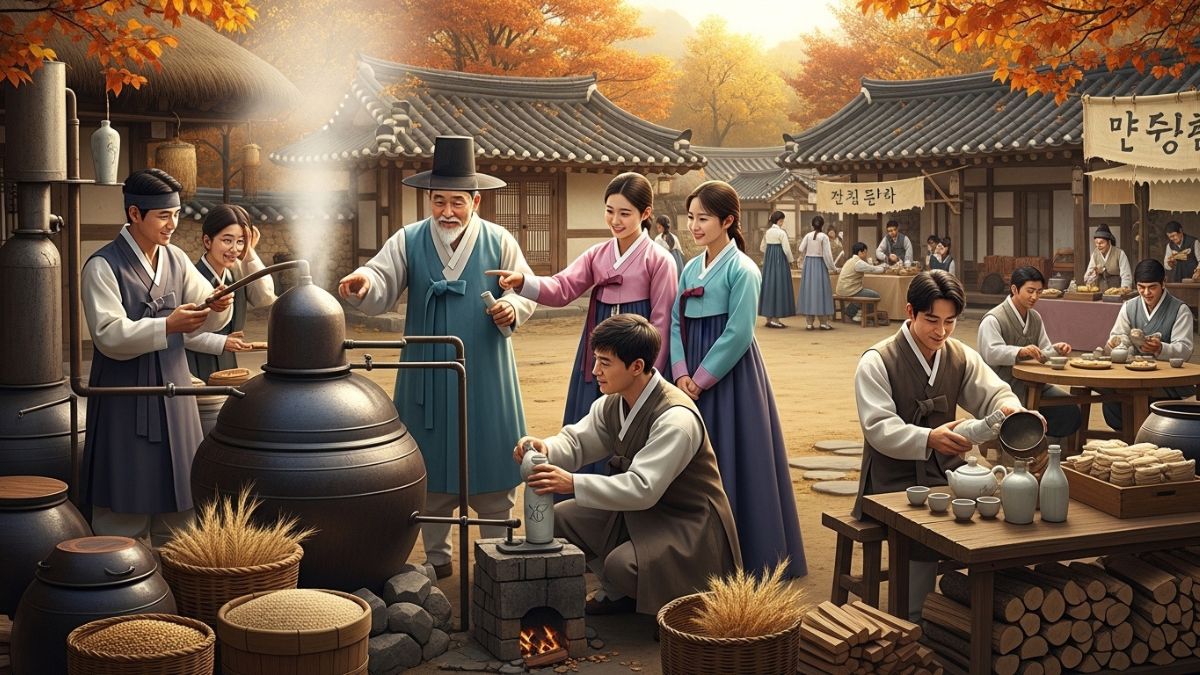
Sodziu is a term that resonates deeply within certain cultures, evoking a rich tapestry of history and tradition. It encapsulates more than just a word; it represents the heart and soul of communities that cherish their roots. As we delve into the world of sodziu, we uncover its profound meanings, cultural practices, and the significant role it plays in family life. This exploration highlights how sodziu not only reflects past traditions but also adapts to modern influences while remaining an essential part of identity for many. Join us on this journey through time as we discover what makes sodzius so unique and cherished.
The Meaning and Origins of Sodziu
Sodziu, a term rich in cultural resonance, carries deep meaning within its roots. It symbolizes not just a practice but a way of life for many communities. The word itself is believed to emerge from ancient traditions that emphasize unity and connection.
Historically, Sodziu has been linked to communal gatherings and shared experiences. Its origins can be traced back to various ethnic groups who celebrated the changing seasons or significant milestones through this unique expression.
As these practices evolved, so too did the significance attached to Sodziu. It became an embodiment of social cohesion and collective identity. Families would come together, reinforcing bonds while honoring their heritage through rituals associated with Sodzius.
Understanding its meaning requires looking beyond mere words; it invites exploration into the heart of community values and shared histories that have shaped generations.
Cultural Practices and Traditions Associated with Sodziu
Sodziu is steeped in vibrant cultural practices that reflect the identity of its people. Celebrations often revolve around communal gatherings, where traditional music and dance play pivotal roles. These events create a sense of belonging and shared history.
Craftsmanship is another key aspect of Sodziu culture. Artisans produce intricate handmade goods, from textiles to pottery, showcasing skills passed down through generations. Each piece tells a story, connecting the past with the present.
Rituals mark significant life events such as births, marriages, and funerals. They provide meaning and structure to these milestones while reinforcing community bonds. Participants come together to honor their collective heritage.
Food also holds immense significance within Sodziu traditions. Dishes are prepared using recipes that have remained unchanged for decades or even centuries. Sharing meals strengthens relationships among family members and friends alike.
These cultural practices breathe life into Sodzius rich heritage and ensure it continues to thrive in modern times.
The Role of Sodziu in Community and Family Life
Sodziu serves as a cornerstone of community and family life, weaving connections among individuals. At gatherings, stories are shared, reinforcing bonds that span generations.
In many families, the practice of Sodziu transcends mere tradition. It’s about remembering ancestors and honoring their legacies. This remembrance fosters unity and collective identity within households.
Community events centered around Sodziu create opportunities for collaboration. Neighbors come together to celebrate milestones or support one another during challenging times. These communal activities instill a sense of belonging.
Children learn valuable lessons through participation in Sodziu practices. They observe respect for traditions while discovering their place within the larger social fabric. This education shapes future generations committed to preserving cultural heritage.
Through rituals associated with Sodziu, communities strengthen ties that withstand the test of time. The interplay between family relationships and communal responsibilities reflects its deep-rooted significance in everyday life.
Modernization and Changes in Sodziu
Modernization has brought both challenges and opportunities to the tradition of sodziu. As urban life expands, many young people are moving away from rural areas where these customs thrive. This shift can lead to a dilution of traditional practices.
However, technology also plays a role in revitalizing interest. Social media platforms allow communities to share their experiences and connect over shared values related to sodziu. Virtual gatherings often replace physical ones, creating a new space for dialogue about cultural significance.
Some families adapt rituals to fit modern lifestyles while still honoring their roots. These changes reflect an ongoing evolution rather than complete abandonment of tradition.
Moreover, contemporary art forms have started incorporating elements of sodziu, attracting younger audiences who might not engage with it otherwise.
Preserving the Tradition of Sodziu
Preserving the tradition of sodziu is vital for maintaining cultural identity. Communities actively engage in workshops and storytelling sessions to pass down knowledge from generation to generation.
Local elders often share their experiences, emphasizing the importance of connection through sodziu practices. This oral tradition enriches understanding and fosters a sense of belonging among younger members.
Artisans also play a crucial role by crafting traditional items associated with sodziu rituals. Their dedication showcases the artistry involved and keeps these customs alive.
Schools are beginning to incorporate lessons on sodziu into their curricula, ensuring that children learn about their heritage early on.
Festivals celebrating sodziu have become popular, drawing crowds eager to experience its rich history firsthand. These events serve as both entertainment and education, reinforcing community bonds while honoring age-old practices.
Conclusion
The history and cultural significance of sodziu are deeply woven into the fabric of community life. Its origins reflect a rich tapestry of traditions that have been passed down through generations. From its meaning to the various practices associated with it, sodziu serves as a reminder of shared values and collective identity.
As modernization continues to shape our world, some aspects of sodziu may evolve or fade away. Yet, many individuals and communities remain committed to preserving these cherished traditions. They recognize the importance of maintaining their heritage while adapting to contemporary life.
Sodziu is not just an artifact from the past; it is a living tradition that enriches family bonds and fosters community spirit. The continued celebration and practice of sodziu ensure that this vital aspect of culture endures for future generations, keeping alive the stories, beliefs, and connections that define us all.

Have you ever stumbled upon a word that piques your curiosity, making you want to dive deeper into its mysteries? Hochre is one such term. It’s more than just a word; it embodies rich traditions and cultural nuances that deserve exploration. This blog post will take you on an enlightening journey through the world of Hochre, unraveling its history, significance, and modern adaptations. Whether you’re familiar with this intriguing concept or hearing about it for the first time, there are secrets waiting to be uncovered. Get ready as we delve into the heart of Hochres and discover what makes it so special!
History and Origin of Hochre
Hochre traces its roots back to ancient traditions. It originated in regions where community and spirituality intertwined, forming a unique cultural tapestry.
Historically, Hochre was celebrated during pivotal seasons. These rituals marked the changing of the year and honored agricultural cycles. Villagers gathered, sharing stories that passed down wisdom through generations.
The etymology of “Hochre” reflects its deep connection to nature and humanity’s quest for balance. As each generation embraced these customs, they adapted them to their realities while maintaining core values.
Over centuries, Hochre evolved but retained its essence. Today, it stands as a testament to resilience against societal changes. Its history is not just about the past; it’s alive in practices observed today around the world.
The Cultural Significance of Hochre
Hochre is more than just a tradition; it embodies the spirit of community and belonging. Rooted in rich cultural practices, Hochres fosters connections among individuals, families, and generations.
This celebration serves as a vital link to ancestral heritage. Participants engage deeply with their history through rituals passed down over time. Each element holds profound meaning, from songs to dances.
The event also strengthens local identity. It reminds people of their roots while encouraging pride in their unique customs.
In many communities, Hochre transcends mere festivity; it’s an opportunity for storytelling and sharing wisdom. Elders impart lessons that resonate within the hearts of younger members.
Hochre highlights the importance of unity and respect for traditions in today’s fast-paced world—an essential reminder of where we come from and who we are.
Uncovering the Mysteries of Hochre Rituals and Ceremonies
Hochre rituals are steeped in layers of meaning and tradition. Each ceremony serves a purpose, connecting participants to their heritage.
These rituals often involve community gatherings, where stories are shared and passed down through generations. They create a sense of belonging that strengthens social ties among members.
Unique symbols play an integral role in Hochre ceremonies. From intricate patterns in decorations to specific colors, each element holds significance that resonates with the collective identity.
Music and dance also form essential components. Rhythms echoing through the air not only entertain but also facilitate spiritual connection, creating an atmosphere charged with energy.
As outsiders observe these practices, they may feel a sense of wonder at the depth embedded within each action. There’s more than meets the eye; every gesture carries history and intention rooted deeply within Hochres culture.
The Importance of Traditional Hochre Clothing
Traditional Hochre clothing plays a pivotal role in the culture and identity of its community. Each garment carries stories, symbolizing heritage and belonging.
These outfits are often meticulously crafted using age-old techniques passed down through generations. The fabrics chosen reflect local resources, showcasing vibrant colors and intricate patterns that tell tales of nature and history.
Wearing traditional Hochre attire during rituals or gatherings strengthens communal ties. It connects individuals to their ancestors, reminding them of their roots and shared values.
Moreover, these garments serve as a visual representation of cultural pride. They stand out in modern society, prompting curiosity and appreciation for the traditions they embody.
In today’s fast-paced world, preserving these styles becomes increasingly essential. High-quality craftsmanship ensures that each piece remains a lasting tribute to Hochre’s rich legacy while inspiring future generations to cherish their cultural heritage.
Modern Adaptations of Hochre in Contemporary Society
In contemporary society, hochre has evolved beyond its traditional roots. Young practitioners are blending ancient customs with modern influences, creating a dynamic cultural tapestry.
Social media plays a pivotal role in this transformation. Platforms allow participants to share their experiences and adapt rituals, reaching broader audiences than ever before. Creative expressions like digital art and music inspired by hochre attract new followers.
Fashion is another area where tradition meets innovation. Designers incorporate elements of hochre clothing into everyday wear, making it accessible while honoring its origins. These adaptations foster appreciation among diverse groups.
Community events have also shifted focus; workshops and festivals showcase hochre’s richness in innovative formats. People engage through interactive activities that resonate more deeply with younger generations.
This evolution reflects the ongoing journey of hochre as it navigates modernity while preserving its essence within an ever-changing world.
Conclusion
Hochre is a fascinating aspect of cultural heritage that deserves attention and appreciation. Its rich history and unique origins reveal the depth of traditions passed down through generations. These rituals and ceremonies encapsulate not only the beliefs but also the values held dear by communities.
The significance of traditional Hochre clothing cannot be overstated. Each garment tells a story, connecting wearers to their ancestors and creating a sense of belonging. As society evolves, modern adaptations showcase how Hochre can blend seamlessly with contemporary life while still honoring its roots.
Exploring Hochre opens doors to understanding diverse cultures. The beauty lies in acknowledging these traditions while embracing new interpretations. Whether you participate in rituals or simply appreciate Hochre from afar, there’s always something profound to discover about this captivating practice.
-

 Blog5 months ago
Iaoegynos2: Decoding the Future of AI and Automation
-

 Celebrities7 months ago
Halle Bailey & Jonah Hauer-King: Inside Their Unbreakable Close Friendship and Platonic Bond
-

 Tech7 months ago
Hochre: The Dynamic Concept Driving Innovation and Creative Excellence
-

 Tech7 months ago
Exploring the World of nidixfun: A Deep Dive into Creative Content
-

 Cultural7 months ago
Ninawelshlass1: The Artistry and Culture Shaping a Unique Perspective
-

 Digital World7 months ago
Exploring voomixi com: Your Ultimate Guide to the Platform
-

 Blog5 months ago
Thejavasea.me Leaks AIO-TLP370: A Complete Guide for Users
-

 Blog7 months ago
Exploring the World of tiimatuvat: A Comprehensive Guide