
Art
Exploring marpesthtic: The Intersection of Art and Emotion

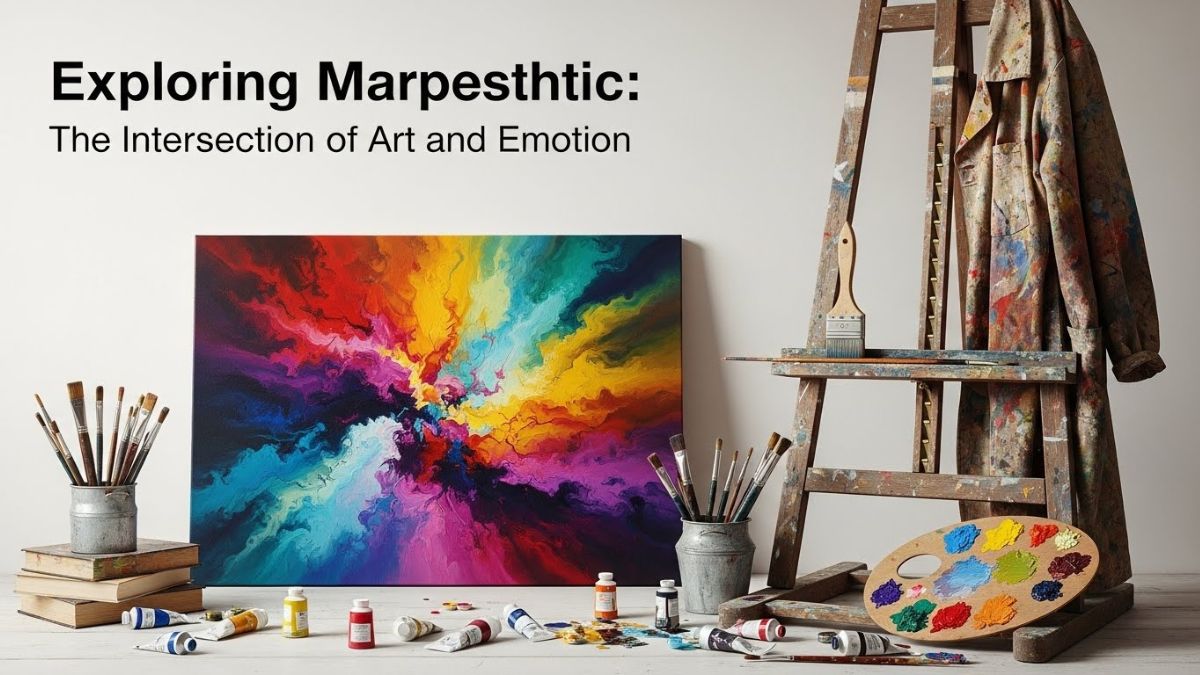
Enter marpesthtic—a fascinating concept that lies at the intersection of art and emotional depth. This unique blend invites us to look beyond traditional aesthetics, urging artists and viewers alike to connect on a more visceral level. As we dive into this intriguing world, we’ll uncover its history, science, and the powerful messages that resonate through various artistic forms. Whether you’re an artist seeking inspiration or simply an art lover looking to deepen your appreciation, marpesthtic might just transform how you experience creativity. Let’s embark on this journey together!
The History and Evolution of Marpesthtic
Marpesthtic emerged as a concept in the late 20th century, blending visual aesthetics with deep emotional resonance. Artists began to explore this intersection, pushing boundaries and challenging traditional definitions of art.
Initially rooted in abstract expressionism, marpesthtic drew inspiration from movements that prioritized feelings over forms. The shift revealed how art could serve as a conduit for personal and collective emotions.
As technology advanced, digital mediums brought new dimensions to marpesthtic. Artists embraced tools like virtual reality and interactive installations, expanding their creative horizons. This evolution allowed audiences to engage with art on a visceral level.
Throughout its journey, marpesthtic has continued to adapt. Contemporary artists now incorporate diverse cultural influences and social issues into their work. This rich tapestry reflects an ongoing dialogue about human experience through artistic expression.
The Science Behind Marpesthtic
The science behind marpesthtic lies at the fascinating intersection of psychology and aesthetics. It explores how colors, shapes, and forms trigger emotional responses in viewers.
Neuroscience suggests that our brains respond to art on a primal level. The release of neurotransmitters like dopamine can create feelings of joy or nostalgia when we connect with a piece.
Moreover, studies show that certain visual elements evoke specific emotions universally. For instance, warm colors often elicit excitement or warmth, while cool tones might inspire calmness or sadness.
Artists harness this knowledge to craft works that resonate deeply within us. They play with composition and texture intentionally to provoke thought and feeling.
Understanding these scientific principles allows both artists and audiences to appreciate the complex layers embedded in marpesthtic creations more fully.
How Emotions are Expressed Through Art
Art serves as a profound vessel for emotions. Each brushstroke, note, or sculpted curve conveys feelings that often transcend words.
Artists tap into their inner landscapes. They portray joy through vibrant colors and anguish with dark hues. A canvas can echo laughter just as easily as it reflects sorrow.
Consider abstract art; it invites interpretation. Viewers project their own experiences onto the work, allowing personal emotions to surface in unexpected ways.
Music is another powerful medium. A single melody can evoke nostalgia or elation, moving listeners deeply without a single lyric spoken.
The physicality of dance embodies raw emotion through movement. Every gesture tells a story of love, pain, or freedom—connecting performers with audiences on an instinctual level.
Through these diverse expressions, art becomes an emotional dialogue that transcends cultural boundaries and unites us all in shared human experience.
Examples of Artists Who Embrace Marpesthtic
Many contemporary artists channel marpesthtic in their work, merging deep emotional resonance with striking visual elements. One standout is Yayoi Kusama, whose polka-dotted installations evoke a sense of infinity and introspection. Her art invites viewers to confront their own emotions through immersive experiences.
Another notable figure is Anish Kapoor. His sculptures often play with light and form, creating pieces that provoke both awe and contemplation. Kapoor’s use of color can elicit powerful feelings, making the viewer reflect on personal narratives.
Then there’s Tracey Emin, known for her raw and confessional style that captures vulnerability. Her neon text works speak directly to the heart, forging connections based on shared human experiences.
These artists exemplify how marpesthtic transcends mere aesthetics—it becomes a medium for exploring complex emotional landscapes.
How to Incorporate Marpesthtic into Your Own Artistic Expression
Incorporating marpesthtic into your artistic expression begins with introspection. Dive deep into your emotions and identify the feelings you wish to convey. Whether it’s joy, sorrow, or a sense of wonder, understanding your emotional landscape is crucial.
Experimentation plays a key role. Use different mediums—painting, sculpture, or digital art—to explore how each can express those complex emotions. Don’t shy away from mixing styles; eclectic combinations often yield unexpected results that resonate deeply.
Engage with existing works that embody marpesthtic principles. Analyze how other artists communicate their inner worlds through color palettes, textures, and forms. This can inspire new techniques in your own practice.
Don’t forget to share your process. Documenting your journey allows viewers to connect more intimately with the emotion behind the work—a vital aspect of marpesthtic artistry that transforms mere visuals into profound experiences.
The Impact of Marpesthtic on the Viewer and the Artist
Marpesthtic holds a powerful sway over both the viewer and the artist. For the audience, it creates an emotional bridge. When viewers engage with marpesthtic art, they often feel a deep resonance within themselves. This connection can evoke nostalgia, joy, or even discomfort.
Artists experience a different kind of impact. Through their creative process, they confront their own emotions and struggles. This exploration can lead to personal growth and catharsis.
Moreover, marpesthtic challenges traditional boundaries in art appreciation. Viewers are not merely observers; they become participants in an emotional dialogue that unfolds through visual expression.
The feedback loop is fascinating. An artist’s intention influences how viewers interpret their work while audience reactions inform future creations by the artist. Each artwork becomes a shared experience—an intersection where feelings collide and transform into something new.
Conclusion:
Marpesthtic stands at the fascinating crossroads of art and emotion. It invites both artists and viewers to explore their innermost feelings through visual storytelling. As we’ve seen, its history is rich, marked by various movements that shaped how we perceive emotional expression in art.
The science behind marpesthtic reveals a complex interplay between our brain’s responses to visual stimuli and our emotional states. This connection emphasizes why certain works resonate deeply with us. Artists embracing this concept create pieces that provoke thought, feeling, and introspection.
Whether you’re an artist or an enthusiast, incorporating marpesthtic into your own work can open new avenues for self-expression. The journey leads to deeper connections not only within yourself but also with those who experience your art.
In a world where creativity knows no bounds, the term “quartist” is emerging as a beacon for artists seeking to redefine their craft. This unique movement blends artistry with innovation, encouraging creators to break free from traditional confines and explore new horizons. Imagine a space where diverse expressions meet collaboration, inspiring fresh ideas that resonate across various mediums. As we delve deeper into the essence of quartism, you’ll discover how this approach not only fosters individual expression but also connects communities in unexpected ways. Are you ready to uncover the transformative power of being a quartist? Let’s dive in!
The origin and evolution of Quartist
Quartist emerged as a fresh take on creativity, blending the worlds of art and various disciplines. This movement began to gain traction in the early 2010s, sparked by artists seeking new ways to express themselves.
At its core, Quartist promotes interdisciplinary collaboration. Artists from diverse backgrounds started working together, combining their skills and perspectives. Traditional boundaries between genres blurred, allowing for innovative creations that challenged conventional norms.
As technology advanced, so did Quartist. The rise of social media platforms provided a stage for Quartists to showcase their work globally. This visibility encouraged more creatives to join the movement, fostering a vibrant community dedicated to experimentation.
The evolution of Quartist reflects society’s growing appreciation for diversity in creativity. It champions originality at its heart while embracing influences from various fields such as science and philosophy alongside visual arts.
The principles and values of Quartist
Quartist embodies a fusion of art and creativity, prioritizing collaboration over competition. This movement thrives on the belief that sharing ideas enhances artistic expression.
At its core, Quartist champions authenticity. Artists are encouraged to embrace their unique voices without fear of judgment. This principle fosters an environment where true innovation can flourish.
Inclusivity is another fundamental value within the Quartist ethos. It invites creators from diverse backgrounds to contribute, enriching the creative tapestry with varied perspectives and styles.
Sustainability plays a crucial role too. Quartists advocate for eco-friendly practices in their work, ensuring that artistic endeavors do not compromise the planet’s health.
Community engagement stands central to this movement. Quartists actively seek connections with audiences through interactive experiences and collaborative projects, bridging gaps between artists and admirers alike.
How Quartist is changing the creative landscape
Quartist is redefining how we perceive creativity in today’s world. By blending various artistic disciplines, it encourages creators to break traditional boundaries. This fluid approach makes art more accessible and diverse.
Artists are no longer confined to a single medium. A painter might incorporate elements of digital design or a musician could draw inspiration from visual arts. This cross-pollination fosters innovation and collaboration among creatives.
Moreover, Quartist champions the idea that everyone can be an artist. It promotes inclusivity, allowing voices from all backgrounds to shine through their work. This shift has led to an explosion of unique styles and perspectives, enriching the cultural tapestry.
As Quartists share their journeys on social media platforms, they inspire others to explore their creative potential without fear of judgment or categorization. The movement nurtures community connections that were often missing in traditional art spaces.
Success stories of artists using the Quartist approach
Artists around the world are embracing the Quartist approach, transforming their creative journeys. One notable success story is that of Maya Chen, a digital artist who blends traditional techniques with modern technology. Her unique style has garnered attention and acclaim, showcasing how Quartist principles can elevate artistic expression.
Another inspiring example is Jamal Rivers, a musician whose fusion of genres reflects the core values of Quartist. By collaborating with diverse artists and embracing experimentation, he has carved out a distinct niche in the music industry.
Then there’s Elena Torres, an emerging painter known for her interactive installations. She incorporates audience participation into her work, demonstrating how Quartist encourages community engagement alongside individual creativity.
These stories highlight not just personal achievements but also the broader impact of adopting a Quartist mindset within various artistic disciplines. Each artist showcases innovation driven by collaboration and authenticity.
Challenges faced by Quartists
Quartists encounter a variety of challenges as they navigate the creative landscape. One major obstacle is gaining recognition in a saturated market. With countless artists vying for attention, standing out becomes increasingly difficult.
Financial instability can also plague Quartists. Many struggle to monetize their work or find consistent opportunities that align with their unique vision. This can lead to frustration and self-doubt.
Collaboration poses another hurdle. While teamwork often enhances creativity, finding like-minded individuals who share similar values and principles can be challenging. Misalignment in goals may stifle innovation.
Moreover, maintaining authenticity amidst external pressures presents yet another challenge for Quartists. The desire to fit into mainstream trends might tempt some to compromise their artistic integrity, creating tension between personal expression and commercial viability.
These hurdles require resilience and adaptability, essential traits for anyone committed to the Quartist movement.
Future prospects for Quartist in the creative industry
The future of Quartist in the creative industry looks promising. As more artists embrace this movement, we can expect a surge in innovative collaborations across disciplines.
Quartists are breaking traditional barriers, blending visual art with digital technologies and performance. This fusion creates immersive experiences that captivate audiences globally.
Educational institutions are beginning to recognize the value of teaching Quartist principles. Programs focused on interdisciplinary skills may soon become mainstream, preparing new generations for a dynamic creative landscape.
Moreover, as social media continues to evolve, Quartists will find unique platforms to showcase their work and connect with like-minded individuals. The reach of their creativity could redefine what it means to be an artist today.
Sustainability and community engagement also play vital roles moving forward. Quartists might lead initiatives that inspire socially conscious projects that resonate deeply within communities worldwide.
Conclusion
Quartist represents a transformative wave in the realm of creativity. It has emerged as a movement that not only celebrates individuality but also encourages collaboration across diverse art forms. Artists are beginning to embrace this hybrid approach, allowing them to break free from traditional confines and explore new dimensions of their work.
The journey of Quartist is rooted in an evolution that reflects broader cultural shifts towards inclusivity and innovation. Its principles challenge conventional notions of artistry, promoting values such as openness, versatility, and community engagement.
As more creators adopt the Quartist mindset, we witness a reshaping of the artistic landscape. This shift opens doors for fresh ideas and collaborations that were once unimaginable. The success stories pouring in from Quartists around the world inspire many to take risks with their creative pursuits.
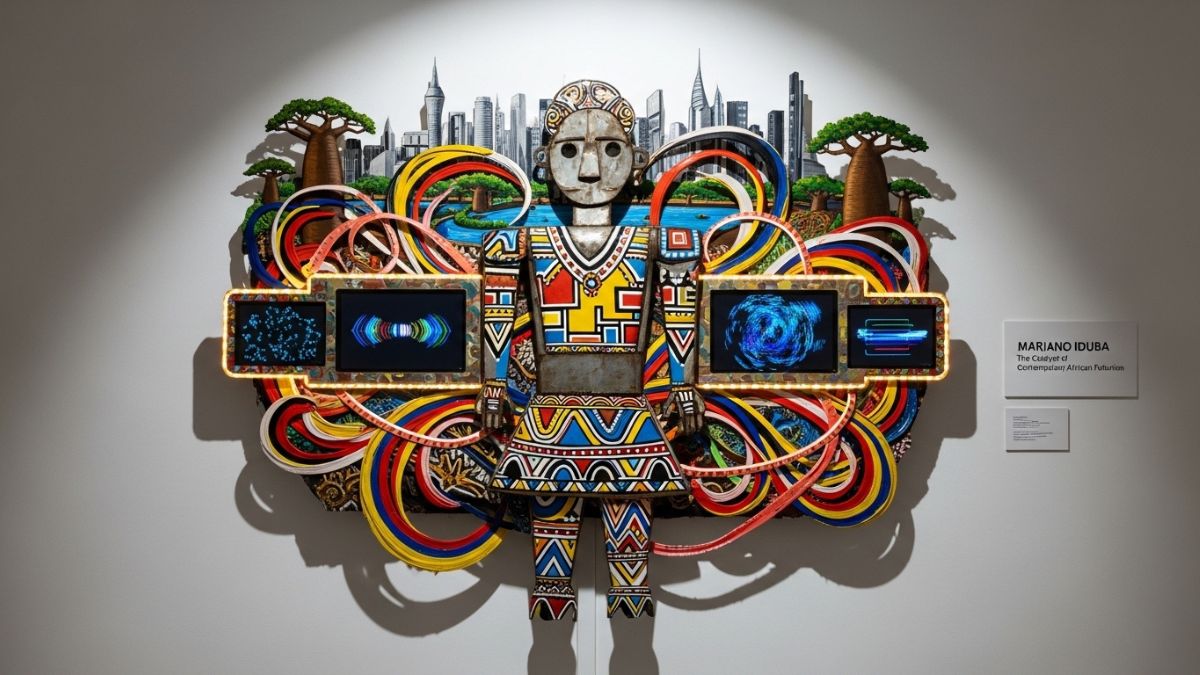
Mariano Iduba is a name that resonates within the vibrant world of modern art. His unique approach and compelling narratives have captivated audiences around the globe. But who exactly is Mariano Iduba? This blog post will delve into his early life, explore his innovative techniques, and examine how he has shaped contemporary artistic expression. Prepare to embark on an enlightening journey through the mind of one of today’s most influential artists.
Early Life and Career
Mariano Iduba was born in a vibrant cultural milieu that deeply influenced his creative journey. Growing up in Buenos Aires, he was surrounded by artistic expression from an early age. The city’s rich history served as both inspiration and canvas.
Iduba’s formal training began at a local art school, where he honed his skills in various mediums. His passion for exploring new techniques quickly set him apart from his peers. He sought to blend traditional methods with innovative ideas, reflecting the dynamic energy of urban life.
In his early career, Iduba experimented with different styles before finding his unique voice. Participating in group exhibitions allowed him to showcase his work and connect with other artists. This period marked the beginning of a lifelong dedication to pushing boundaries within modern art.
Style and Techniques used by Iduba
Mariano Iduba’s artistic style is a captivating blend of abstraction and realism. This unique fusion allows him to explore themes deeply rooted in human emotion and experience.
His technique often involves layering vibrant colors, creating depth that draws the viewer in. Each brushstroke tells a story, inviting contemplation. Iduba frequently employs mixed media, integrating materials like wood and fabric into his paintings. This approach adds texture and dimension, making his work visually striking.
Iduba’s mastery of light plays a crucial role in his art. He skillfully manipulates shadows to evoke mood and atmosphere within each piece. The interplay between light and dark creates dramatic contrasts that enhance emotional impact.
Incorporating elements from nature is also significant for Iduba. His affinity for organic forms reflects an appreciation for the environment, adding another layer of meaning to his works. Through these techniques, he successfully captures the essence of modern life while maintaining personal authenticity.
Influence on Modern Art
Mariano Iduba’s influence on modern art is profound and far-reaching. His innovative techniques challenged traditional boundaries, encouraging artists to explore new avenues of expression.
Iduba’s ability to blend various styles has inspired countless creators. They admire his fearless experimentation with color and form. This approach opened the door for many contemporary movements.
His emphasis on emotional depth resonates with today’s audience. Artists increasingly seek to convey personal narratives through their work, a practice heavily influenced by Iduba’s philosophy.
Moreover, Iduba’s commitment to authenticity encourages others to embrace their unique voices in an often homogenized art world. His legacy can be seen in galleries worldwide, where emerging talent draws from his pioneering spirit.
In classrooms and workshops, aspiring artists study his methods aiming to capture that same vibrant energy he effortlessly conveyed through his masterpieces.
Comparison with Other Artists
Mariano Iduba’s work stands out in the contemporary art scene, yet comparisons with other artists provide a richer understanding of his influence. His abstract forms resonate with those of Wassily Kandinsky, who also embraced color and emotion as vital components in their pieces.
However, unlike Kandinsky’s structured compositions, Iduba tends to embrace spontaneity. This free-flowing nature invites viewers to engage on a more personal level.
In contrast to modern minimalists like Donald Judd, Iduba infuses complexity into his work. Each piece reveals layers that challenge the viewer’s perception and provoke thought.
When compared to fellow South American artists such as Jorge Macchi, one can see parallels in exploring themes of urban life. Yet, where Macchi often uses found objects for commentary, Iduba leans towards pure abstraction as an emotional response rather than social critique.
This dynamic interplay with different artistic philosophies highlights how Mariano Iduba carves his niche while resonating across various movements.
Legacy and Impact on the Art World
Mariano Iduba’s influence extends far beyond his own canvases. His innovative approach to form and color has inspired countless contemporary artists. They draw from his techniques, finding new pathways in abstraction.
Art institutions recognize Iduba’s contributions through exhibitions that highlight his work. These displays not only celebrate his legacy but also educate the public about modern art’s evolution.
Through workshops and lectures, he has fostered a community of budding artists eager to experiment with their styles. This mentorship ensures that Iduba’s ideas continue to resonate within artistic circles.
Critics often cite him as a pivotal figure who bridges traditional practices with avant-garde movements. His distinctive voice challenges norms, encouraging others to push boundaries.
The dialogues around identity and expression in his pieces remain relevant today. Iduba’s work serves as a reminder of the transformative power of art in society.
Conclusion
Mariano Iduba stands as a significant figure in the tapestry of modern art. His journey from humble beginnings to becoming an influential artist underscores his dedication and passion. The unique style he developed, marked by a blend of abstraction and emotional depth, invites viewers into a dialogue that transcends mere aesthetics.
Iduba’s techniques reflect not just skill but also an innovative spirit that resonates with contemporary artists today. His work challenges conventions while simultaneously paying homage to traditions, creating a bridge between past and present artistic movements.
As we observe Iduba’s impact on fellow creators, it becomes evident how his approach has shaped their perspectives. Many have drawn inspiration from his fearless exploration of themes such as identity, culture, and human experience. This cross-pollination continues to evolve within the art community.

Carmela Clouth is a name that’s rapidly gaining recognition in the contemporary art world. Her work is not just visually striking; it challenges conventions and pushes boundaries. With vibrant colors, bold forms, and innovative techniques, Carmela captures emotions and ideas that resonate deeply with her audience. Each piece invites viewers into a realm where creativity knows no limits. As we delve deeper into her journey, you’ll discover how she redefines modern art through sheer audacity and originality—an artist who isn’t afraid to break the mold!
Early life and influences on her art
Carmela Clouth’s journey began in a vibrant, artistic household. Surrounded by color and creativity from an early age, she found inspiration everywhere. Her parents encouraged her to explore various mediums, igniting her passion for art.
Growing up in a culturally rich environment exposed Carmela to diverse perspectives. She often visited galleries and museums, where the works of both established artists and burgeoning talents fueled her imagination. These experiences became pivotal moments that shaped her vision.
Nature also played a significant role in influencing Carmela’s creations. Long walks through lush landscapes sparked ideas that would later manifest on canvas. The interplay between light and shadow fascinated her, becoming a recurring theme throughout her work.
Books were another source of inspiration for Carmela. Literature introduced new concepts and emotions that she translated into visual storytelling, helping define the unique style she is known for today.
The evolution of her artistic style
Carmela Clouth’s artistic journey reflects a vibrant tapestry of change. Initially, she embraced traditional methods, crafting pieces that echoed classical influences.
As time passed, her canvas began to transform. Bold colors emerged, breaking free from subdued palettes. Shapes twisted and turned into dynamic forms that challenged expectations.
Experimentation became the heartbeat of her work. Clouth started incorporating mixed media elements—textiles, found objects, even digital components creating a dialogue between various mediums. This shift invited viewers to engage with art in new ways.
Her style now dances between abstraction and representation. Each piece tells its own story while inviting personal interpretation. The evolution is not just technical; it’s deeply personal, reflecting her growth as an artist and individual.
This ongoing metamorphosis keeps audiences captivated and eager for what comes next from Carmela Clouth’s creative spirit.
Bold and unconventional techniques used in her pieces
Carmela Clouth’s art is a vivid playground of experimentation. She embraces techniques that challenge traditional boundaries.
One striking method involves layering mixed media, combining paint with found objects. This approach adds texture and depth, creating a dynamic visual experience.
Clouth often employs bold color palettes that evoke strong emotions. Her fearless use of contrasting hues draws viewers in, inviting them to explore the layers beneath the surface.
Another unconventional technique is her incorporation of digital elements. By blending technology with hand-painted canvases, she bridges the gap between classic artistry and modern innovation.
Her pieces frequently feature spontaneous brushstrokes alongside meticulously planned compositions. This duality reflects her belief in both chaos and order as essential aspects of creativity.
Through these methods, Carmela Clouth not only captivates but also challenges perceptions within contemporary art. Each piece becomes an invitation to rethink what art can be.
Themes and messages portrayed in her art
Carmela Clouth’s art conveys powerful themes that resonate deeply with contemporary audiences. Her pieces often explore the complexities of identity and self-expression. Each stroke reflects a journey toward authenticity, inviting viewers to confront their own narratives.
Nature plays a significant role in her work as well. She infuses organic elements into her creations, bridging the gap between humanity and the environment. This connection prompts reflection on our relationship with nature and its impact on personal growth.
Clouth’s exploration of societal issues is equally compelling. Through bold imagery, she challenges conventions surrounding gender, race, and culture. Her art becomes a platform for dialogue—a visual manifesto urging change and understanding.
Emotional depth permeates her work too. The raw energy captured in each piece elicits visceral responses from viewers, encouraging them to embrace vulnerability while acknowledging shared human experiences.
Impact on the contemporary art scene
Carmela Clouth has emerged as a transformative figure in the contemporary art scene. Her bold creativity pushes boundaries, inviting audiences to rethink traditional artistic norms.
Clouth’s approach resonates with young artists seeking authenticity. She inspires them to embrace their unique voices and challenge conventions. This ripple effect has fostered a new wave of innovative thinkers in the art community.
Her work often sparks conversations about social issues, encouraging viewers to engage deeply with complex themes. Through her pieces, she makes art accessible and relevant to current societal challenges.
Exhibitions featuring her work attract diverse crowds, bridging generational gaps. Artists of all backgrounds find inspiration in her fearless exploration of identity and emotion.
Carmela’s commitment to collaboration amplifies this impact further. By partnering with various creatives, she cultivates an inclusive environment that celebrates collective expression within modern artistry.
Future projects and collaborations
Carmela Clouth is constantly pushing boundaries, and her future projects promise to be just as groundbreaking. She’s currently exploring collaborations with avant-garde musicians and performers. This fusion of visual art with sound aims to create immersive experiences that challenge traditional perceptions.
Clouth also plans to venture into public installations next year. By transforming urban spaces into vibrant showcases, she hopes to engage communities directly with her art. These installations will reflect local culture while maintaining her signature bold style.
Additionally, she’s in talks for a solo exhibit at a prominent contemporary art museum. This exhibition will not only feature new works but also interactive elements that invite viewers into the creative process.
With each project, Carmela continues redefining what modern art can truly be—dynamic and inclusive, resonating across diverse audiences.
Conclusion
Carmela Clouth is undoubtedly a force in the contemporary art world. Her journey from her early life to becoming a celebrated artist showcases not only her talent but also her resilience and passion. Each piece she creates stands as a testament to her bold creativity, pushing boundaries and challenging perceptions.
Her unique techniques breathe new life into traditional forms of expression, allowing viewers to experience art like never before. The themes she explores resonate on multiple levels, inviting dialogue and reflection among audiences.
As Carmela continues to push forward with ambitious projects and collaborations, the impact of her work will likely ripple through the art community for years to come. With every brushstroke or installation, she redefines what modern art can be—inviting everyone along on this exhilarating journey. Keep an eye out for what’s next from Carmela Clouth; it promises to be anything but ordinary.
-

 Blog6 months ago
Iaoegynos2: Decoding the Future of AI and Automation
-

 Celebrities8 months ago
Halle Bailey & Jonah Hauer-King: Inside Their Unbreakable Close Friendship and Platonic Bond
-
 Tech8 months ago
Hochre: The Dynamic Concept Driving Innovation and Creative Excellence
-

 Tech8 months ago
Exploring the World of nidixfun: A Deep Dive into Creative Content
-

 Cultural8 months ago
Ninawelshlass1: The Artistry and Culture Shaping a Unique Perspective
-

 Digital World8 months ago
Exploring voomixi com: Your Ultimate Guide to the Platform
-

 Blog6 months ago
Thejavasea.me Leaks AIO-TLP370: A Complete Guide for Users
-

 Blog8 months ago
Exploring the World of tiimatuvat: A Comprehensive Guide